Furniture Movers in Al Nahda: Key Things to Check Before Moving Day
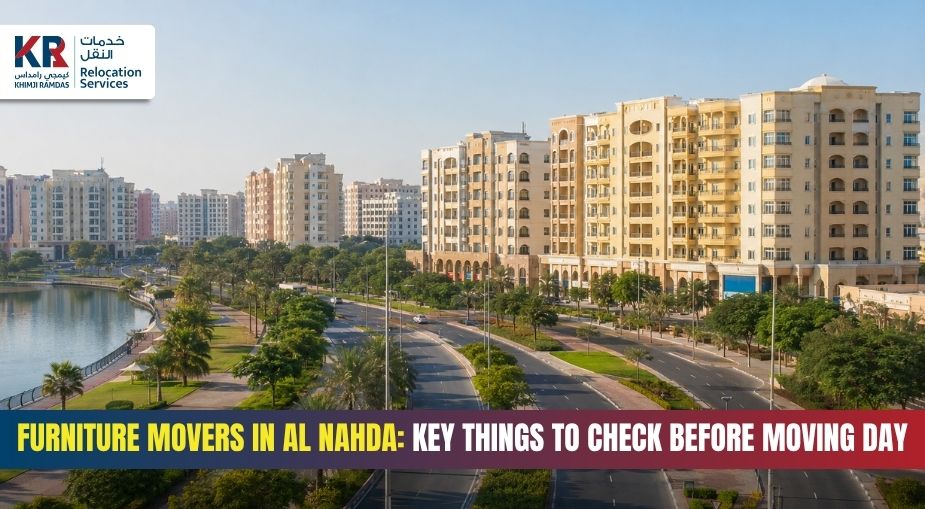
Furniture movers in Al Nahda can make moving day far easier, but only when the building access, parking, lift use, furniture condition and destination details have been checked in advance. In Al Nahda, a move may involve busy residential roads, restricted loading areas, tower management procedures and, in some cases, a move between Dubai and Sharjah.
This guide explains what to confirm before booking and before the crew arrives, including building move permits, lift and parking coordination, furniture dismantling, protection of valuable items and the extra planning needed for an Al Nahda Dubai Sharjah move. You will also learn how to compare quotations and reduce avoidable delays.
What Makes Furniture Moving in Al Nahda Different?
A furniture move in Al Nahda is rarely just a matter of carrying items from one front door to another. The practical difficulty often lies in coordinating several parties and access points: your current building, the moving team, the destination building, security staff, parking areas and sometimes two different emirates.
Al Nahda is a densely occupied residential area with a mixture of apartment towers, older buildings, newer developments, commercial streets and closely spaced properties. Two apartments in the same neighbourhood can have completely different loading rules. One building may allow a truck to stop near the entrance, while another may require advance approval, a specific service lift or a booking made through the building management office.
The Building Is Part of the Move
Before accepting a quotation, identify how the crew will move the furniture from the apartment to the vehicle. The route may include a service lift, a long corridor, a basement ramp, a loading bay or a narrow entrance. Each of these affects the labour plan and the time required.
Ask both the current and destination building whether they require a move permit, security deposit, resident approval, insurance evidence or a nominated moving date. Requirements vary by building management and can change, so confirmation should come from the relevant building representative rather than from assumptions based on a previous move.
It is also worth checking whether the building permits moving activity during the time you have selected. A weekend may seem convenient, but it can coincide with resident traffic, maintenance work or restricted access. An early weekday slot may provide better vehicle access but may be less convenient for work and school routines.
Tell us about your move and get a personalized quote based on your requirements. 
Why Access Information Should Be Shared Early
A professional survey or detailed pre-move discussion should cover more than the number of rooms. Share the floor level, lift size, parking distance, balcony access, oversized furniture, fragile items and any restrictions you already know about. Photographs of tight corners, large wardrobes and access points can help the moving coordinator identify risks before the team arrives.
For example, a three-bedroom apartment with standard furniture may be straightforward if the service lift is available and the truck can park at the entrance. A smaller apartment can take longer if a king-size bed must be dismantled, the lift is narrow and the vehicle has to load from a distant roadside location. Good planning reflects access conditions, not only the volume of furniture.
If you need broader local context, the Dubai moving services information can help you understand how local relocation support is organised before you discuss the details of your property with Khimji Ramdas Relocation Services.
What Should You Confirm Before Booking Furniture Movers in Al Nahda?
The best time to discover a building restriction is before you accept a quotation, not when the truck is waiting outside. A clear booking should reflect the actual furniture list, access conditions, destination and services required. This protects you from misunderstandings and gives the moving team a realistic basis for planning.
Prepare an Accurate Furniture Inventory
Walk through every room and decide what is moving, what is being discarded and what may be sold or donated. Include items that are easy to overlook, such as appliances, outdoor furniture, mirrors, artwork, gym equipment, televisions, shelving, rugs and storage boxes.
A useful inventory records the item, approximate dimensions, condition and whether it requires special handling. Note furniture that is particularly heavy, delicate, valuable or difficult to remove. If you are unsure whether an item can pass through a doorway or lift, measure it rather than relying on visual judgement.
The inventory also helps you compare quotations fairly. A price based on a brief description such as “two-bedroom apartment” may not account for a large dining table, multiple wardrobes or a substantial quantity of boxed belongings. If the scope changes after booking, the moving plan may need to change as well.
Understand What the Quotation Includes
Moving quotations can differ because the services included are different. Check whether the proposal covers wrapping, protective floor covering, dismantling and reassembly, packing, unpacking, appliance handling, transport, stairs, long carries and placement at the destination.
Clarify how unusual or additional work is treated. Examples include waiting for a lift, a truck being unable to reach the entrance, extra dismantling, a second collection point or furniture that cannot be moved through the planned route. This is not about expecting every possible situation to be included; it is about knowing how changes will be assessed.
Also ask how the mover records pre-existing marks or damage. A proper condition check, photographs and clear communication are useful for both parties. Valuable or unusually fragile items may need a separate discussion about packing materials, handling and any applicable terms.
Decide What You Will Prepare Yourself
You can reduce pressure on moving day by removing personal items from drawers, emptying appliances, taking down curtains and separating documents, medication, jewellery and other essentials. Keep passports, keys, chargers, basic toiletries, a change of clothes and important paperwork with you rather than inside the moving load.
Do not dismantle complex furniture simply to save time unless you know it can be safely reassembled. Incorrectly removed fittings, missing screws and damaged fixings can create a bigger problem at the destination. Ask whether furniture dismantling is part of the service and identify any items that require specialist care.
For a clearer view of the stages involved, you can review the Local Moving Services page and use it as a prompt for questions about preparation, transport and delivery coordination.
How Do You Coordinate Permits, Lifts and Parking?
Access coordination is one of the most common causes of moving-day disruption in apartment communities. The moving vehicle may be ready, but the move can still be delayed if the service lift is occupied, the loading point is blocked or building security has not received approval. Treat these details as part of the move itself, not as minor administration.
Confirm the Building Move Permit
Ask the management office or building representative whether a building move permit is required at the collection address and the destination. The process may involve a booking form, resident approval, identification, a refundable deposit or a specified time window, but the exact procedure varies between properties.
Request confirmation in writing where possible and keep it available on your phone. If you are renting, check whether the landlord, property agent or tenant must submit the request. Do not assume that approval at one building automatically covers the other.
If the move crosses from Dubai into Sharjah, confirm the arrangements separately for both addresses. A cross-emirate furniture relocation can involve different building procedures and route considerations, even when the two homes are relatively close geographically.
Reserve the Correct Lift
Ask whether the building uses a dedicated service lift for moving furniture and whether it must be booked for a defined period. Confirm the lift dimensions and door opening if you are moving tall wardrobes, large sofas, bed frames or appliances. A lift that carries people comfortably may not accommodate long or bulky furniture.
Protective padding may be required inside the lift or along common areas. Building staff may also restrict the number of workers, the route through the lobby or the use of certain entrances. Sharing these instructions with the moving coordinator helps the crew arrive prepared rather than improvising in a busy lobby.
Allow realistic time between collection and delivery if the same vehicle is travelling to another emirate or waiting for access at the destination. A short physical distance does not always mean a short operational process.
Plan Vehicle Access and Parking
Check where the vehicle can stop, how far the loading point is from the entrance and whether basement height restrictions affect access. A large vehicle may not be able to use an underground ramp even if a car can. In that case, the crew may need to move furniture a longer distance or use a different vehicle arrangement, subject to what has been agreed.
Keep the loading area clear where you have control over it, but do not reserve public or controlled parking spaces without permission. If security requires the vehicle registration or crew details in advance, provide the information through the building’s stated process.
On moving day, nominate one person to handle building and security communication. The person should have the permit confirmation, coordinator’s contact details and destination access information. This prevents the whole household from trying to solve the same issue while the crew is handling furniture.
Tell us about your move and get a personalized quote based on your requirements.
How Should You Prepare Furniture for Collection and Delivery?
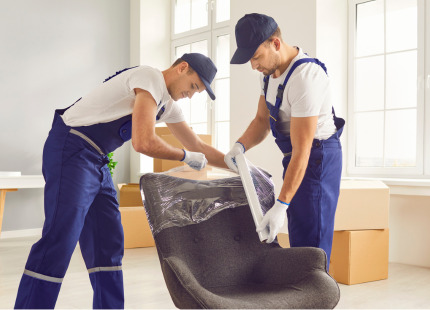
Furniture protection is not limited to wrapping a sofa. The team must consider how each item will be lifted, carried, loaded, transported, unloaded and positioned in the new home. Preparation should protect the furniture, the property and the people handling it.
Separate Fragile and High-Value Items
Identify glass shelves, marble tops, mirrors, artwork, antiques, electronics and furniture with delicate finishes before the crew begins. Tell the movers which items need special attention and avoid placing small fittings or loose parts inside furniture unless they are clearly labelled and secured.
Take photographs of valuable or easily marked items before wrapping. Record existing scratches or wear so that the condition is clear. Keep irreplaceable documents, cash, jewellery and personal valuables with you instead of placing them in the moving shipment.
If an item has unusual construction or a manufacturer’s handling instruction, share it in advance. Some furniture should not be lifted by a fragile panel, glass section or decorative element. A few minutes of explanation can prevent an avoidable handling mistake.
Plan Dismantling and Reassembly
Furniture dismantling may be necessary when a wardrobe, bed, sofa or table cannot pass safely through the apartment door, corridor or lift. It can also reduce the risk of scraping walls and ceilings. However, dismantling is not automatically the right answer for every item.
The decision depends on the furniture’s construction, age, fixings, stability and the route available. Mark removable parts, keep fittings together in labelled bags and photograph complicated connections. If the furniture is old, assembled with delicate joints or likely to lose its strength after repeated assembly, tell the moving team before work starts.
At the destination, decide in advance where large pieces should go. Moving a wardrobe into a small bedroom and then discovering that doors or drawers cannot open creates unnecessary rehandling. A simple room plan, even one drawn on paper, helps the crew place items correctly the first time.
Protect the Property as Well as the Furniture
Common areas, lift interiors, door frames, floors and walls can be vulnerable during a furniture move. Ask how the moving team will protect the route and how the building’s own requirements will be followed. Clear small objects, plant pots and loose decorations from corridors and entry areas before loading begins.
You should also prepare the destination. Make sure rooms are accessible, renovation materials are removed from the route and floor surfaces are ready for furniture placement. If the new home is still being painted or repaired, confirm which areas can safely receive furniture and which must remain clear.
The Furniture Moving Services page is a useful next step if your move involves bulky, delicate or difficult-to-access pieces and you want to discuss handling requirements in more detail.
Discuss your moving requirements with our team and find the right support for your move. 
What Should You Do on Moving Day?
A well-prepared moving day still needs active coordination. Conditions change: a lift may be delayed, a resident may block the loading area or an item may prove larger than expected once it reaches the corridor. The goal is not to eliminate every variable but to respond without losing control of the plan.
Keep an Essentials Area Separate
Create one clearly marked area that is not part of the shipment. It should contain phones and chargers, water, snacks, medication, cleaning supplies, basic tools, keys, documents and items needed for children or pets. If you are moving with family, keep a small overnight bag accessible rather than buried beneath boxes.
Remove food from refrigerators and freezers according to the appliance instructions and ensure washing machines and other appliances are ready for handling. Where disconnection or reconnection involves gas, water or electrical work, arrange the appropriate qualified support rather than asking movers to perform work outside the agreed scope.
Use a Simple Handover Check
Before loading, walk through the property with the crew or coordinator. Point out fragile pieces, items staying behind and any pre-existing marks. Check cupboards, balconies, storage rooms and utility areas after the main rooms have been cleared; these are common places for belongings to be missed.
At delivery, check the inventory and the condition of important furniture before signing the completion paperwork or confirming that the move is finished. Report concerns promptly through the agreed process and keep photographs and relevant documents. Do not discard packaging until you have checked delicate items.
Avoid Common Al Nahda Moving Mistakes
The most preventable problems usually come from assumptions. Residents may assume the truck can stop at the entrance, that the passenger lift can be used, that the destination will accept a late arrival or that every piece of furniture will fit without dismantling. Building staff and moving teams cannot plan around information they have not received.
Other frequent mistakes include booking the move before receiving building approval, underestimating storage rooms, leaving a narrow passage blocked with boxes, failing to measure a large sofa and choosing a quotation that excludes essential handling. If you are moving between Dubai and Sharjah, also avoid treating the trip as a simple local collection and delivery; allow the coordinator to assess both ends of the route.
A short pre-move call that confirms the inventory, access, permits, vehicle position, lift booking and delivery contact can prevent hours of disruption. It also gives you an opportunity to make a practical decision if the original date or service scope is not suitable.
Wrapping Up
Furniture movers in Al Nahda should be selected on more than a quoted price. The safer decision comes from confirming the furniture list, building procedures, lift and parking arrangements, route, dismantling needs, protection plan and responsibilities at both addresses. These checks matter even more for an Al Nahda Dubai Sharjah move, where two buildings and potentially different access arrangements must be coordinated.
Start with the property details, not just the number of rooms. Share measurements and photographs where useful, obtain the required building confirmation, keep essential belongings separate and agree how unexpected access problems will be handled. Khimji Ramdas Relocation Services can help you assess the moving scope, coordinate the practical stages and plan suitable handling for a local or cross-emirate furniture relocation, subject to the details of your homes and building requirements. The most useful next step is to request a discussion based on your actual inventory and access conditions rather than relying on a generic apartment estimate.

FAQs - Furniture Movers in Al Nahda
What should I check before hiring furniture movers in Al Nahda?
Check the mover’s scope, inventory, access route, wrapping, dismantling, delivery arrangements and treatment of changes. Also confirm move-permit, lift and parking requirements with both buildings.
Do I need a building move permit for an Al Nahda apartment move?
Possibly. Requirements vary by building management and may include approval, identification, a deposit or a booked time slot. Confirm the current process with both the collection and destination buildings.
How far in advance should I reserve the service lift and parking?
Reserve them as soon as your moving date is reasonably known, especially in a busy apartment building. The exact notice period varies, so ask building management and share the confirmation with the moving coordinator.
Can furniture movers handle a Dubai to Sharjah relocation from Al Nahda?
A Dubai to Sharjah move can be coordinated as a cross-emirate furniture relocation, but access and building procedures must be checked at both addresses. Requirements and arrangements vary by property and shipment.
When is furniture dismantling necessary for an Al Nahda move?
Dismantling may be needed when wardrobes, beds, sofas or tables cannot pass safely through doors, corridors or lifts. The decision depends on measurements, construction and the item’s condition.
How can I protect valuable furniture during an apartment move?
Identify valuable or fragile items early, photograph their condition, use suitable protective materials and keep irreplaceable valuables with you. Discuss delicate finishes and special handling before moving day.
How can I compare quotations from apartment furniture movers?
Compare the included services rather than the headline price. Check wrapping, transport, dismantling, reassembly, long carries, stairs, waiting time, protection, delivery placement and how changes to the inventory are handled.
Explore Our Most Relevant Articles
With a dedicated single point of contact offering comprehensive, tailored solutions, streamlined processes, and a network of suppliers, we ensure a superior relocation experience. Our commitment to excellence ensures that every aspect of the relocation process is efficiently managed, delivering satisfaction to our clients.

UAE Car Customs Clearance: Common Delays and How to Avoid Them
Car customs clearance in the UAE can face avoidable delays. Learn which documents cause holds and how to prepare your vehicle shipment before arrival.

Pet Import Permits for the UAE: Step-by-Step Guide (2026)
Learn how to arrange a UAE pet import permit in 2026, including microchips, vaccinations, documents, application steps, timing and common mistakes.

Dubai Neighbourhood Trends: Where Most Residents Choose to Live
Compare Dubai neighbourhood options by lifestyle, family needs, commute, housing and amenities, then plan a smoother move with practical expert guidance.