Furniture Movers in Mirdif: A Resident’s Guide to a Smoother Move
Furniture movers in Mirdif can make a local move far easier, but only when the route from one room to the next property has been planned properly. Villa gates, driveway space, narrow corridors, stairs, parking restrictions and garden furniture can create more difficulty than the distance between addresses.
A successful move is therefore not just about finding a vehicle. It is about deciding what will travel, checking how it will leave and enter both homes, protecting the items that matter and agreeing who will handle dismantling, reassembly and placement. This guide explains how to plan a family home relocation in Mirdif, what to discuss with movers and how to stay in control on moving day.
Furniture Movers in Mirdif: Why Access Planning Comes First
In Mirdif, access can determine the moving plan before the first box is packed. A spacious villa may still have a tight entrance, a sloped driveway, a low gate, limited kerbside space or a long route from the parking area to the front door. At the destination, the challenge may be a lift booking, a shared entrance or a staircase that does not accommodate a large wardrobe easily.
The earlier these details are identified, the fewer decisions need to be made while furniture is being carried. A useful mover assessment should look at both the origin and destination, not only at the volume of furniture.
Assess the Property Before Moving Day
Walk through each property with the largest items in mind. Measure or photograph the entrance, gate, staircase, lift and the tightest internal turns. Pay particular attention to tall wardrobes, deep sofas, bed frames, refrigerators, dining tables and outdoor pieces that may need to pass through side access rather than the main door.
Check where a moving vehicle can safely stop. A short carrying distance is helpful, but it should not be assumed that a large vehicle can enter every driveway or remain outside every villa. If the crew may need to work from the street, confirm whether access permissions, security instructions or parking arrangements apply.
At the new home, identify the rooms where furniture will be placed. This avoids carrying a heavy item through the house several times because the final position was undecided.
Build an Access Plan for the Crew
Send clear photographs of entrances, staircases, lifts, parking areas and unusual obstacles during the quotation or assessment stage. Mention renovation work, loose gravel, delicate flooring, low ceilings, narrow side passages and any furniture that has previously been difficult to move.
A simple access note can include the best vehicle stopping point, the preferred entry route, the room destination for each large item and a contact person who can make decisions. This is especially useful when a landlord, tenant, building representative or family member controls part of the access process.
Our specialists at Khimji Ramdas Relocation Services use this type of practical information to understand the work involved before the move is scheduled. If you are still comparing local options, the Dubai moving services page is a useful starting point for understanding the local service context.
Allow for Dubai Conditions
Heat and direct sunlight can affect the comfort and pace of physical work, while dust can settle on furniture and exposed outdoor items. Traffic patterns around school hours and residential areas can also influence the most convenient arrival window. Exact arrangements depend on the property, access conditions and the moving plan, so discuss them with the coordinator rather than relying on a standard assumption.
Where possible, keep the driveway and entrance clear, provide shade for delicate items waiting briefly outside and ensure the air conditioning or utilities at the destination are available before unloading begins.
Tell us about your move and get a personalized quote based on your requirements. 
Prepare Furniture and the Family Home Before the Crew Arrives
Preparation does not mean doing the movers’ work. It means removing avoidable uncertainty so the crew can concentrate on safe handling. The most useful preparation is deciding what is moving, identifying items that need special treatment and keeping personal essentials separate from the main load.
For a family home relocation, this preparation also protects daily routines. Children, pets, medicines, documents and chargers should not become mixed with furniture or packed into a vehicle that will be unloaded room by room.
Decide What Is Moving
Walk through the home several days before the move and place each item into one of four decisions: move now, store, donate or dispose of. Do not leave every uncertain item until the loading team arrives. Last-minute choices slow the sequence and can create unnecessary handling of furniture that was never intended for the new home.
Measure large pieces against the new rooms. A sofa that fits the old family room may block a doorway or overwhelm a smaller reception area. Confirming the destination first can prevent the cost and effort of moving an item only to move it again later.
If some furniture is going to storage or another address, identify it clearly and communicate that separation before loading. Different destinations should never depend on memory during a busy moving day.
Prepare Drawers, Cabinets and Fragile Surfaces
Empty drawers, wardrobes and cabinets unless the mover has specifically agreed to handle their contents. Furniture becomes heavier and less stable when drawers are full. Remove loose shelves, detachable legs, cushions and glass where appropriate, then keep the small parts together in labelled bags.
Do not use adhesive tape directly on polished wood, painted surfaces or delicate finishes. It can leave residue or pull at the surface. A better approach is to protect removable parts and label them without damaging the furniture.
Tell the mover about marble, glass, mirrors, antiques, artwork, electrical equipment and furniture with known weaknesses. A scratch, loose joint or pre-existing mark should be recorded before handling so that everyone has the same understanding of the item’s condition.
Make the House Safer to Work In
Create a small essentials area that will not be loaded. It may contain passports and important documents, medicines, a change of clothes, children’s items, snacks, water, phone chargers and basic cleaning supplies. Mark it clearly and tell the crew that it is not part of the shipment.
Keep children and pets away from the active carrying route. Doors may remain open, protective materials may be on the floor and furniture may be temporarily placed near entrances. Secure valuables and personal papers yourself rather than leaving them inside drawers or cupboards.
Before the team arrives, clear toys, loose rugs, plant pots and other trip hazards. Protecting the route is not only about preventing damage to the property; it also gives the crew a safer, more predictable working area.
Tell us about your move and get a personalized quote based on your requirements.
How Should Mirdif Villa Furniture Movers Handle Different Items?
Not every piece should be handled in the same way. A two-seater sofa, a tall wardrobe, a stone table and a garden swing each present different risks. When you understand the handling approach, you can give better information to the mover and judge whether the proposed service matches your home.
The right question is not simply, “How many men and what size truck?” Ask how the team will protect, carry, load, transport, unload and position the items that are most difficult in your property.
Large Indoor Furniture
Sofas may need their feet removed or their orientation changed at a doorway. Wardrobes and cabinets may require careful route planning because their height and centre of gravity make turns difficult. Dining tables can be vulnerable at joints, corners and legs, while bed frames may need partial dismantling to pass through corridors.
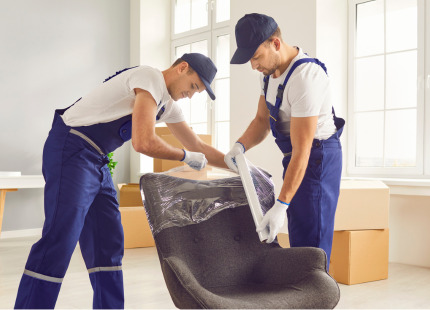
Protective wrapping should be appropriate to the surface and shape. Corners, glass, polished finishes and fabric need different forms of protection. Floor and wall protection may also be important where a large item must pass through a narrow entrance or over a finished surface.
Avoid assuming that an item can be carried vertically or tilted safely. The crew should assess the route and the furniture together. If an item cannot pass through the available access without unreasonable risk, alternatives should be discussed before moving begins.
Furniture Dismantling and Reassembly
Furniture dismantling and reassembly can make a major difference when doorways, stairs or lifts are tight. Beds, tables, modular sofas and some wardrobes are often easier to move in sections. However, dismantling is not automatically the best option for every item. Older fittings, glued joints, fragile panels and flat-pack construction may require additional care.
Before dismantling, photograph complex connections and keep fittings from each item together. Do not mix screws from several wardrobes or beds in one unlabelled container. If the original assembly instructions are available, keep them with the hardware.
Confirm what the quoted service includes. Some arrangements cover basic dismantling and reassembly, while specialist or fitted furniture may require a separate assessment. At the destination, check that doors, drawers, shelves and fixings operate correctly before the item is considered complete.
Outdoor Furniture Transport
Outdoor furniture is easy to overlook during a villa move. Include patio tables, chairs, loungers, umbrellas, benches, planters, garden storage, children’s play equipment and suitable household appliances in the inventory. These pieces may be dusty, damp, unusually heavy or awkward to carry through a side gate.
Clean and dry items where practical, remove loose cushions and empty water from containers or equipment. Tell the mover about stone planters, concrete pieces and large pots before the quotation. Their weight may affect handling and vehicle planning.
Umbrellas should be closed and secured, while detachable glass tops should be identified separately. Decide whether outdoor furniture will go directly into the garden, remain under cover or be placed in temporary storage. This prevents the crew from having to make a placement decision while the driveway is occupied.
Special Handling Decisions
High-value, irreplaceable or unusually delicate items deserve an early conversation. This may include artwork, antiques, large mirrors, pianos, stone surfaces or specialist electronics. Describe their dimensions, weight, condition and access route honestly. If an item needs specialist handling beyond the agreed local moving scope, that should be clarified before booking.
The furniture moving services information from Khimji Ramdas Relocation Services can help you identify the type of furniture-specific support to discuss when ordinary household loading is not enough.
Discuss your moving requirements with our team and find the right support for your move. 
Choosing a Local Moving Plan That Matches Your Mirdif Move
A low headline price can become less useful if essential work is excluded. When comparing Dubai local house shifting services, compare the complete scope: preparation, protection, transport, access, placement and any follow-up work needed at the destination.
The best plan is the one that reflects the real property and the furniture, not an estimate based only on the number of rooms. A compact villa with difficult access may need more planning than a larger home with direct vehicle access.
Compare the Scope, Not Just the Quote
Ask whether the proposal addresses packing, protective wrapping, dismantling, reassembly, loading, unloading, room placement, floor protection and removal of packing materials. Confirm which items are excluded or require further assessment.
Check that the inventory is specific enough to identify bulky, fragile and outdoor pieces. “Household furniture” is too general to describe a marble table, a full-height wardrobe or ten large planters. Clear descriptions help prevent disagreement about the work involved.
Pricing and availability can vary according to volume, access, service level, date and item requirements. A responsible quotation should be based on the information available and should not imply that government, building or third-party approvals are controlled by the mover.
Ask Questions That Reveal Operational Readiness
Useful questions include:
• How will you assess the narrowest access point at both homes?
• Does the service include the dismantling and reassembly of the specific furniture listed?
• How will glass, polished wood, fabric, stone and outdoor pieces be protected?
• Who should be contacted if access or the inventory changes before moving day?
• What condition checks and completion checks are carried out?
The answers should be practical rather than vague. A coordinator who asks about gates, stairs, parking, lifts, furniture dimensions and destination rooms is more likely to understand the actual job than one who discusses only truck size.
Coordinate the Old and New Homes
A local move can involve several people: the tenant, homeowner, landlord, building security, a property manager and the moving team. Confirm who provides keys, who opens gates, whether a lift or loading area needs to be reserved and whether the destination is ready to receive furniture.
Create a simple room-label system. Labels such as “main bedroom”, “study” and “garden” are more useful than a general instruction to place everything inside. If a room is not ready, agree where its contents will be staged without blocking the main route.
The Local Moving Services page from Khimji Ramdas Relocation Services provides a relevant next step for readers who want to discuss a coordinated local move rather than arrange transport alone.
Where Khimji Ramdas Relocation Services Fits
Khimji Ramdas Relocation Services can support residents who need help coordinating the practical stages of a Dubai move, including furniture handling and household relocation planning. The useful starting point is an accurate discussion of your inventory, property access and desired level of support.
You remain the best source of information about your home. Share photographs, measurements, building instructions and any concerns early. This allows the moving team to plan around real conditions rather than assumptions.
Moving-Day Control: A Practical Sequence for a Smoother Shift
Even a well-prepared move can feel disorderly if nobody knows the sequence. A short arrival briefing, a clear inventory and one decision-maker at each property help the team work safely and reduce repeated questions.
Moving day is also the point at which small omissions become visible. Keep enough flexibility to deal with a tight doorway or an item that needs a different route, but avoid making major changes without discussing their effect on the plan.
Before Loading Starts
Walk the access route with the coordinator and point out the items that need special attention. Confirm which belongings are not moving, which pieces will be dismantled and which boxes or furniture must travel together.
Take reasonable condition photographs of valuable or delicate items before handling. Make sure the essentials area is separate, pathways are clear and utilities or access arrangements at the destination are ready. If a gate, parking space or lift booking changes, report it immediately.
The first loading decisions matter. Items that will be needed first at the new home should not automatically be buried behind furniture that is difficult to remove. Discuss priorities based on the destination layout and the available unloading sequence.
During Loading and Transport
A room-by-room approach makes it easier to track what has been handled and what remains. Loose parts, hardware and cushions should stay with the correct item wherever practical. Large pieces should be positioned securely so they do not shift unnecessarily during transport.
Keep personal documents, valuables, medicines and essential overnight supplies with you. Do not rely on the moving vehicle for items you may need while access, unloading or furniture placement is still in progress.
If the team discovers that a piece cannot safely pass through the planned route, stop and review the options. Repeated force or hurried improvisation creates more risk than a short planning discussion.
At the New Home
Use the room labels and agreed placement plan to reduce carrying distance. Check the position of large furniture before reassembly is completed, especially where a bed, wardrobe or table could later block a door, socket or walkway.
Inspect dismantled items after reassembly. Doors should align, drawers should move and shelves or legs should be secure. For outdoor furniture, check that pieces are placed on a stable surface and that cushions or weather-sensitive items are not left exposed unnecessarily.
Before the crew leaves, review the home and vehicle area for remaining items, loose fittings and visible damage. Raise questions promptly while the move details are still clear.
Common Mirdif Moving Mistakes to Avoid
The most preventable problems are usually planning failures rather than dramatic accidents. Residents often underestimate the distance from the parking point, forget items stored outside, leave drawers full or discover that a large sofa cannot turn through the entrance.
Other common mistakes include failing to tell the mover about renovation works, assuming a building or community permits access without checking, and deciding the destination room only after the furniture has arrived. A final walk-through and a written inventory reduce each of these risks.
The aim is not to predict every possible problem. It is to identify the few details most likely to affect your property and furniture, then communicate them early enough for a sensible plan to be made.
Wrapping Up
A smoother move with furniture movers in Mirdif starts before moving day. Check access at both properties, decide what is travelling, prepare drawers and fragile surfaces, include outdoor items, clarify dismantling and reassembly, and compare the full service scope rather than a vehicle-only price.
For a family home relocation, clear communication is as important as careful carrying. Share accurate information about gates, driveways, stairs, lifts, parking and furniture dimensions, then agree how items will be protected and placed. Khimji Ramdas Relocation Services can help you discuss and coordinate the practical requirements of a Dubai local house shifting plan, with the final arrangement based on your home, inventory and access conditions.

FAQs - Furniture Movers in Mirdif
How early should I book furniture movers in Mirdif?
Book once your moving date and property access are reasonably clear. Earlier planning is useful for villa assessments, parking or lift arrangements, furniture dismantling and busy periods, while availability varies by date and scope.
What should I tell furniture movers about access to my Mirdif villa?
Share photographs or measurements of gates, driveways, parking, stairs, lifts, corridors and tight turns. Mention long carrying distances, renovation work, delicate flooring and any large or unusually heavy furniture.
Do furniture movers in Mirdif dismantle and reassemble wardrobes and beds?
Many moving plans can include suitable dismantling and reassembly, but the exact scope depends on the furniture, fittings and access. Confirm this for each item before booking, especially for fitted or fragile pieces.
Can outdoor furniture be included in a Mirdif house move?
Outdoor furniture can often be included when listed during the assessment. Tell the mover about planters, stone tables, umbrellas, play equipment and garden storage, as weight, cleaning and side-gate access may affect the plan.
How can I prepare my family home before local movers arrive?
Decide what is moving, empty drawers, separate valuables and essentials, label destination rooms, clear walkways and keep children and pets away from the work area. Photograph delicate items and identify non-moving belongings.
What should I compare when choosing Dubai local house shifting services?
Compare the complete scope, including wrapping, floor protection, dismantling, reassembly, loading, unloading, room placement, exclusions and communication arrangements. A property-specific assessment is more useful than comparing vehicle size alone.
Can Khimji Ramdas Relocation Services help with a move within Dubai from Mirdif?
Khimji Ramdas Relocation Services can discuss local moving requirements within Dubai, including furniture handling and household coordination. The plan depends on your inventory, access, destination and the level of support required.
Explore Our Most Relevant Articles
With a dedicated single point of contact offering comprehensive, tailored solutions, streamlined processes, and a network of suppliers, we ensure a superior relocation experience. Our commitment to excellence ensures that every aspect of the relocation process is efficiently managed, delivering satisfaction to our clients.

UAE Car Customs Clearance: Common Delays and How to Avoid Them
Car customs clearance in the UAE can face avoidable delays. Learn which documents cause holds and how to prepare your vehicle shipment before arrival.

Pet Import Permits for the UAE: Step-by-Step Guide (2026)
Learn how to arrange a UAE pet import permit in 2026, including microchips, vaccinations, documents, application steps, timing and common mistakes.

Dubai Neighbourhood Trends: Where Most Residents Choose to Live
Compare Dubai neighbourhood options by lifestyle, family needs, commute, housing and amenities, then plan a smoother move with practical expert guidance.