Furniture Movers in Mohammed Bin Zayed City: How to Plan the Move

Furniture movers in Mohammed Bin Zayed City can make a villa move far easier, but the result depends on more than loading furniture into a truck; access, room planning, dismantling, protection and timing all need to work together.
Mohammed Bin Zayed City properties often involve large rooms, outdoor items, staircases, gates and driveways that require careful coordination. This guide explains how to prepare for Abu Dhabi home shifting, what to confirm before booking, how to protect valuable furniture and what to expect on moving day.
Planning Furniture Movers in Mohammed Bin Zayed City Around Your Property
A successful move starts with the property rather than the furniture. Before choosing a moving team, assess how people, protective materials and larger items will move from each room to the vehicle. A short site review or detailed video assessment can reveal problems that are easy to miss during a phone conversation.
Start With a Room-by-Room Inventory
Walk through the villa and list the furniture that is moving, staying behind, being donated or going into storage. Include items that are often forgotten during the first estimate, such as patio seating, garden cabinets, exercise equipment, mirrors, artwork, rugs, wardrobes and appliances that need to be moved with the household goods.
For each large item, note its approximate dimensions, weight, material and current location. A solid dining table on the ground floor presents a different handling challenge from a tall wardrobe at the end of an upstairs corridor. Taking photographs of unusual items and narrow points can help a coordinator understand the job more accurately.
The inventory also prevents a common moving-day problem: discovering that the truck, crew size or protection plan was based only on the main living areas while the garage, majlis or outdoor spaces were overlooked.
Check the Route Inside the Villa
Measure the practical route, not just the destination room. Door widths, corridor turns, staircase landings, ceiling height, balcony rails and low lighting can all affect whether a piece can be moved upright, tilted or partially dismantled.
Pay particular attention to:
- Tall wardrobes, bed frames and sofas that may need turning through a doorway.
- Glass panels, marble tops and mirrors that require separate protection and careful carrying.
- Staircases with tight landings, polished floors or walls vulnerable to impact.
- Furniture positioned behind fixed shelves, doors or other items that must be moved first.
Do not assume that removing a door or lifting an item over a wall is acceptable. Such decisions may damage the property or create a safety risk. A professional team should assess the safest workable method before the move begins.

Tell us about your move and get a personalized quote based on your requirements.
Include Outdoor and Secondary Areas
Villa moves frequently become larger when the service yard, roof area, majlis, garage and garden are checked properly. Outdoor furniture may be dusty, damp or exposed to corrosion, while garden ornaments and gym equipment can be awkward to handle alongside indoor goods.
Separate items that need cleaning, drying, draining or disassembly before loading. This is especially useful for outdoor cushions, planters, refrigerators and equipment containing water or fuel. If an item has unusual handling requirements, mention it during the quotation stage rather than presenting it to the crew on moving day.
For local service context, you can review Khimji Ramdas Relocation Services’ Abu Dhabi moving services before discussing the details of your property and move plan.
Why MBZ City Villa Moves Need More Than a Basic Truck Booking
A villa move in Mohammed Bin Zayed City can look straightforward because the origin and destination may both be within Abu Dhabi. In practice, the distance is only one part of the work. The access arrangement, volume of furniture, building layout and condition of each item usually have a greater effect on the moving process.
Plan for Moving Truck Access
Moving truck access should be treated as a coordination issue, not an assumption. Confirm where a vehicle can safely stop, whether the driveway is suitable, whether a gate must remain open and how far the crew will need to carry furniture from the entrance to the truck.
At the destination, check the same points. A property may have a generous driveway but a narrow gate, a sloped approach or landscaping that limits the usable path. At some homes, the nearest stopping point is not the most practical loading position because it blocks the gate or leaves no room to turn large furniture.
Ask the moving coordinator to record access information for both addresses, including:
- Gate dimensions and the most suitable vehicle approach.
- Stairs, ramps, long walkways and surfaces that may become slippery.
- Parking restrictions, security procedures and any preferred access times.
- Whether another vehicle, skip, construction material or landscaping feature may obstruct the route.
Requirements and access arrangements can vary by property and community. Where permission or coordination with a third party is needed, the homeowner or tenant should confirm the relevant arrangements in advance. A moving company can help identify what needs checking, but it cannot control a property owner’s, security team’s or authority’s decision.
Match the Crew and Equipment to the Job
Large villa furniture relocation is not simply a larger version of a studio move. Heavy sectionals, stone tables, oversized beds and tall cabinets may need more people, lifting equipment or a different carrying sequence. The correct approach depends on the item and the route.
A useful quotation should reflect the actual inventory, access conditions, packing requirements and destination layout. Be cautious about comparing offers based only on vehicle size or a headline price. A lower initial estimate may change if dismantling, wrapping, stairs, additional handling or extra furniture is added later.
Ask what the estimate includes and what could change it. Clarify whether the team will protect floors and corners, dismantle agreed items, reassemble them, place furniture in the requested rooms and deal with items that cannot safely pass through the planned route.
Decide What Should Not Travel
Moving day is a poor time to make every disposal decision. Set aside items that are damaged, unused, incompatible with the new layout or not worth the cost and effort of handling. This reduces volume and gives the crew a clearer plan.
However, do not discard important documents, keys, medication, valuables or essential personal items with general household goods. Keep these with you in a clearly marked personal bag. If you are unsure whether an item is suitable for transport, disclose it before packing so that the moving team can advise on the practical next step without making assumptions.
Protecting Furniture During Dismantling, Carrying and Transport
Furniture damage often occurs during transitions: when a wardrobe is taken apart, when a sofa is turned around a corner, when a drawer opens in transit or when two pieces rub against each other in the vehicle. Protection therefore needs to cover the complete handling chain, not just the final loading stage.
Use Household Furniture Dismantling Selectively
Household furniture dismantling can make a large item safer to carry, but taking everything apart is not automatically better. A bed frame, modular wardrobe or table may benefit from partial dismantling, while an older cabinet may become weaker if its joints or fixings are disturbed unnecessarily.
Before work starts, identify which items need dismantling and how they will be reassembled. Keep screws, brackets and specialist fittings together in labelled bags. Photograph unusual connections and place the hardware with the relevant item rather than in a single mixed container.
Items with complex mechanisms, powered components or delicate finishes deserve extra care. If a piece has been modified, repaired or assembled without standard fittings, tell the crew. This information helps the team choose a safer method and reduces the risk of losing time searching for an unexpected connection.
Tell us about your move and get a personalized quote based on your requirements.
Protect Fragile and High-Risk Pieces
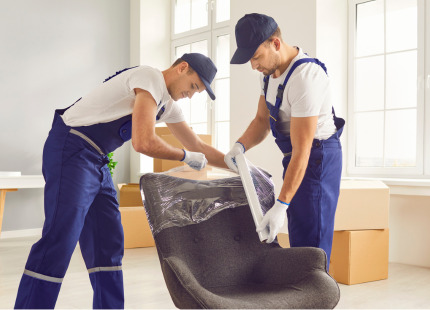
Fragile furniture protection should be selected according to the material and the risk, rather than applying the same wrapping to every item. A polished wood console, a glass display cabinet and a fabric sofa need different forms of preparation.
Glass, mirrors and stone surfaces should be identified separately because they can crack or chip from point pressure. Corners and projecting handles can damage other items if they are not secured. Drawers and doors should be prevented from opening, but adhesive should not be placed directly on delicate finishes.
For upholstered furniture, use clean protective covering and avoid sealing moisture inside. For wood and painted surfaces, cushioning should prevent rubbing and impact while allowing the item to be handled securely. The moving team should also consider how protected pieces are placed inside the vehicle so that heavier goods do not press against vulnerable surfaces.
Protect the Villa as Well as the Furniture
Walls, floors, stair edges and door frames are part of the move. Before loading begins, identify surfaces that need protection, especially polished flooring, freshly painted walls and narrow stair turns. A clear route is safer than asking the crew to improvise around boxes and household clutter.
Take photographs of existing marks on particularly sensitive areas before work begins. This is not about creating conflict; it establishes a shared reference point and makes it easier to distinguish existing conditions from damage that may occur during handling.
At the destination, decide where furniture will be placed before it enters the house. Repeatedly moving a heavy item because the room plan was unclear increases handling risk. Leave adequate space around the entry route and remove rugs, toys, planters and other trip hazards.
Preparing the Household Before Abu Dhabi Home Shifting Day
Preparation is most effective when it removes decisions from the busiest part of the move. The aim is not to make the home look perfect; it is to ensure that the moving team can work safely, the family can access essentials and the destination is ready to receive furniture.
Create Three Practical Zones
Use separate areas for items travelling with the movers, items travelling with you and items that are not moving. Label boxes and furniture by destination room, but avoid relying only on colour stickers if several people are involved. Simple labels such as “main bedroom,” “kitchen essentials” or “open first” are easier to interpret.
Keep passports, identity documents, tenancy papers, keys, chargers, medication, valuables and a change of clothes with you. Prepare a small first-night kit with water, basic toiletries, cleaning supplies, simple food and the tools needed for any minor adjustment. If children or pets are involved, arrange a safe area away from the active carrying route.
Prepare the New Home
Confirm that the destination has working access, lighting and enough space to receive the first load. If the property is empty, cleaning before furniture arrives is usually easier than cleaning around wardrobes and sofas later. Check measurements for rooms where large furniture will be placed, particularly if the new layout differs from the old one.
Mark rooms discreetly or provide a simple placement plan. This reduces questions while the crew is carrying heavy items and helps prevent furniture being left temporarily in hallways. Keep one route clear from the entrance to the rooms that will receive the largest pieces.
If painting, flooring, pest treatment or maintenance work is still under way, decide whether the property is genuinely ready. Moving furniture into an unfinished room may expose it to dust, wet surfaces or accidental contact with tools and materials.
Communicate the Plan to Everyone
A move involving family members, domestic staff, security personnel, landlords or property representatives can become confusing when instructions are inconsistent. Nominate one person to make placement decisions and share the agreed plan before the crew arrives.
Explain any special concerns, such as an antique cabinet, a recently repaired table or a staircase that must not be used. Do not wait until the item is being carried. Early communication gives the coordinator time to review the method and advise if a different arrangement is needed.
For a broader overview of the process, the Local Moving Services information from Khimji Ramdas Relocation Services can help you understand how a local move may be planned around your household requirements.
Choosing a Moving Team and Managing the Day Itself
The right moving team should give you a clear process, not just a vehicle and a date. When comparing furniture movers in Mohammed Bin Zayed City, assess how carefully they understand your inventory, access and protection requirements before you focus on price.
Questions to Ask Before Confirming
Ask whether the team handles villa furniture, dismantling, reassembly, packing, fragile items and placement at the destination. Confirm how the assessment is made, what is included in the quotation and which circumstances may require a revised plan.
It is also sensible to ask how the team records furniture condition, how special items are protected and who should be contacted if the inventory or access changes. The answer should be specific enough for you to understand what will happen, while recognising that actual methods may change after an on-site inspection.
Khimji Ramdas Relocation Services provides Furniture Moving Services for customers who need focused support with household furniture. The relevant scope should be confirmed against your inventory, property access and any items requiring specialist handling.

Discuss your moving requirements with our team and find the right support for your move.
Keep Moving Day Controlled
Start with a short walk-through. Show the coordinator the furniture that is moving, point out items that must remain, confirm the destination room plan and discuss access restrictions. If the inventory has changed, say so before loading begins.
Keep pets and children away from the carrying route. Remove personal objects from furniture, empty drawers where appropriate and secure keys or small fittings. Avoid packing items into wardrobes or appliances unless the moving team has agreed that doing so is safe; extra weight can affect handling and may damage the item.
During loading, let the crew follow a planned sequence. Stopping them repeatedly to change the order can create congestion and increase the chance of items being placed in unsuitable positions. You should still remain available for decisions, particularly where a piece has more than one possible destination.
At delivery, check rooms progressively rather than waiting until the truck is empty. Confirm that furniture is placed where expected, that dismantled items are accounted for and that packaging or protective materials are removed from areas that need inspection. Report concerns promptly through the agreed process and retain relevant photographs or documentation.
Recognise When a Different Plan Is Needed
A standard local move may not suit every item. Consider additional assessment when furniture is unusually heavy, highly valuable, structurally fragile, difficult to access or connected to electrical, plumbing or built-in systems. Some items may need a specialist trade or separate preparation before movers can handle them.
Do not ask a crew to force an item through a route that has clearly become unsafe. A delay, revised placement or alternative handling method is usually preferable to damage to the furniture, property or people involved. Professional relocation planning is partly about knowing when not to improvise.
Read Also: Villa Moving Services in Mohammed Bin Zayed City: Complete Guide
Wrapping Up
A lower-stress move in Mohammed Bin Zayed City comes from making the important decisions before the truck arrives. Start with a complete inventory, inspect both properties, confirm moving truck access, separate personal essentials, plan the destination rooms and identify furniture that needs dismantling or additional protection.
The best moving plan also allows for uncertainty. Access can change, a large item may measure differently in practice and a piece that looked simple may require a safer handling method. Clear communication and a realistic assessment are more valuable than assumptions based on distance alone.
If you are comparing furniture movers in Mohammed Bin Zayed City, choose a team that asks practical questions about your villa and explains what the service includes. Khimji Ramdas Relocation Services can help coordinate local moving requirements, furniture handling and related support, subject to the confirmed scope of your move. With the right preparation, Abu Dhabi home shifting can be organised around your household rather than allowed to disrupt it.

FAQs - Furniture Movers in Mohammed Bin Zayed City
How early should I book furniture movers in Mohammed Bin Zayed City?
Book once your moving date and property access are reasonably clear. Earlier planning gives time for an inventory review, packing, dismantling decisions and coordination with both villa locations.
What should I tell MBZ City villa movers before they quote?
Share the furniture list, villa levels, stairs, gate and driveway details, parking conditions, fragile items, outdoor furniture and any pieces needing dismantling. Photos can improve the assessment.
Do furniture movers dismantle and reassemble wardrobes and beds?
Many moving teams can arrange dismantling and reassembly for suitable furniture, but the scope should be confirmed in advance. Complex, modified or damaged items may need a different handling plan.
How is fragile furniture protected during a villa move?
Protection depends on the material and shape. Movers may use appropriate padding, coverings, corner protection and secure loading methods, while glass, mirrors, stone and delicate finishes need specific discussion beforehand.
What access details matter for a moving truck in Mohammed Bin Zayed City?
Check gate width, driveway space, stopping distance, turning room, security procedures, stairs, ramps and possible obstructions at both addresses. Access requirements vary by property and should be confirmed early.
How can I reduce the cost and disruption of a large villa furniture relocation?
Remove unwanted items, provide an accurate inventory, separate essentials, prepare clear routes and decide room placement before moving day. This reduces handling time and helps avoid avoidable changes to the plan.
Can Khimji Ramdas Relocation Services help with Abu Dhabi home shifting in MBZ City?
Khimji Ramdas Relocation Services can discuss Dubai local moving and furniture-handling requirements for your move. Confirm the inventory, access conditions, protection needs and service scope before booking.
Explore Our Most Relevant Articles
With a dedicated single point of contact offering comprehensive, tailored solutions, streamlined processes, and a network of suppliers, we ensure a superior relocation experience. Our commitment to excellence ensures that every aspect of the relocation process is efficiently managed, delivering satisfaction to our clients.

UAE Car Customs Clearance: Common Delays and How to Avoid Them
Car customs clearance in the UAE can face avoidable delays. Learn which documents cause holds and how to prepare your vehicle shipment before arrival.

Pet Import Permits for the UAE: Step-by-Step Guide (2026)
Learn how to arrange a UAE pet import permit in 2026, including microchips, vaccinations, documents, application steps, timing and common mistakes.

Dubai Neighbourhood Trends: Where Most Residents Choose to Live
Compare Dubai neighbourhood options by lifestyle, family needs, commute, housing and amenities, then plan a smoother move with practical expert guidance.