Furniture Movers in Muwaileh: A Simple Guide to Organizing Your Move
Furniture movers in Muwaileh can help you avoid the delays, damage risks and building-access problems that often make a local move harder than expected. Whether you are leaving a rented apartment, moving into a new flat or transferring household furniture between homes in Sharjah, the quality of your preparation will affect the entire moving day.
Muwaileh has a mixture of apartment buildings, residential communities, busy access roads and properties with different parking and lift arrangements. This guide explains how to prepare your furniture, check access, coordinate with your building and choose the right support from Khimji Ramdas Relocation Services.
Choosing Furniture Movers in Muwaileh for Your Situation
The right moving plan depends less on the distance between two homes and more on the furniture, buildings and access conditions involved. A small studio move may be completed with a straightforward loading plan, while a family apartment can require careful dismantling, protective wrapping, lift coordination and staged unloading.
Before comparing moving companies, define what you are actually asking them to do. “Moving furniture” may mean transporting already packed items from one ground-floor property to another. It may also include wrapping, carrying items through shared corridors, dismantling wardrobes, protecting fragile surfaces, reassembling beds and coordinating delivery into specific rooms. These are different levels of work and should be discussed clearly.
Assess the Move Before Requesting a Quotation
Make a simple inventory of the larger and heavier items rather than relying only on the number of rooms. Include beds, wardrobes, sofas, dining tables, refrigerators, washing machines, desks, display cabinets and outdoor furniture. Note which pieces are fragile, unusually large or difficult to access.
Also record the approximate size of each property, the floor level, whether a lift is available and whether parking is close to the entrance. Photographs or a short video of oversized furniture and narrow access points can give a moving coordinator more useful information than a general description such as “two-bedroom apartment”.
If you are moving within Muwaileh, the route may be short, but the handling work can still be substantial. A large wardrobe that fits comfortably in one flat may need to be taken apart before it can pass through a doorway, corridor or lift at the new property.
Clarify What Is Included
Ask whether the proposed service includes furniture protection, carrying, loading, transport, unloading, disassembly and reassembly. Confirm how the team will handle items such as glass shelves, mirrors, marble tops and electronics. If you are packing personal belongings yourself, establish whether the movers will transport loose or partially packed items.
A clear scope protects both sides. It helps you compare like with like and reduces the possibility of discovering on moving day that an important task was assumed to be someone else’s responsibility. Khimji Ramdas Relocation Services can discuss the practical requirements of a local move and help you identify which services are relevant to your household rather than adding unnecessary work.
Tell us about your move and get a personalized quote based on your requirements. 
Preparing for a Sharjah Residential Relocation
Good preparation is not about making the home look empty. It is about removing avoidable uncertainty before the crew arrives. In a Sharjah residential relocation, the most useful preparation usually involves deciding what is moving, checking the building arrangements and creating a realistic sequence for the day.
Decide What Should Move First
Separate furniture into four groups: essential for the first night, needed soon after arrival, suitable for later placement and not moving. This makes unloading more organised and helps you avoid having mattresses or essential kitchen items buried behind boxes and less urgent furniture.
If you are downsizing, measure the new rooms before the move. A sofa may fit through the main entrance but still overwhelm the available wall space. Likewise, a wardrobe may fit in a bedroom but block a window, air-conditioning access or a walkway. Measuring before moving reduces the risk of transporting items that cannot be positioned properly.
For furniture you no longer want, arrange its removal before moving day where possible. Do not leave unwanted pieces in corridors, service areas or shared parking spaces. Building and waste-management arrangements can vary, so check with the relevant property management team rather than assuming that disposal will be permitted.
Prepare a Room-by-Room Inventory
A room-by-room list makes loading and unloading easier. Give each room a simple label, such as “main bedroom”, “children’s room” or “study”. Mark the corresponding destination on doors or walls at the new property using removable labels, provided the building allows it.
Photograph the condition of valuable or delicate furniture before wrapping. This is useful for your own records and encourages a careful conversation about pre-existing marks, loose fittings or surfaces that require special handling. Remove personal items from drawers and cupboards; furniture is safer and easier to carry when its weight is predictable.
Keep screws, brackets and small fittings in labelled bags. Attach each bag to the relevant item only if it will not damage the surface or interfere with wrapping. For a dismantled bed or table, use a larger labelled pouch and keep the fitting pack with your move documents.
Allow Time for Building Coordination
Apartment moves often involve more coordination than residents expect. Ask the building management or security team about the approved moving window, loading-bay use, lift access, parking restrictions and any forms or notices they may require. Requirements differ between buildings and can change, so verify them directly for both the old and new addresses.
This is especially important when a moving vehicle cannot remain directly outside the entrance. A longer carry from the parking area can affect handling time, crew movement and the order in which items are loaded. Sharing this information early allows the moving team to plan rather than react at the entrance.
What Should You Check About Building Access for Moving Trucks?
Building access for moving trucks is one of the most common causes of local moving delays. It is also one of the easiest issues to reduce with a short inspection and a few confirmed details. The vehicle may reach the neighbourhood without difficulty but still be unable to use the property’s entrance, basement ramp or loading area.
Check the Route From Road to Door
Look at the final approach to the building, not just the main road. Check for low clearances, tight turns, gates, security barriers, ramps, construction activity and restricted parking. In some communities, a truck may need to stop at a designated area while furniture is carried the remaining distance.
At both addresses, note the distance from the permitted parking point to the entrance. Identify whether the route includes steps, uneven paving, narrow doors or long corridors. Tell the moving coordinator about these conditions before the quotation is finalised, particularly if you are moving a large sofa, king-size bed, safe or heavy cabinet.
Confirm Lift and Door Measurements
Measure the lift entrance and interior where there is any doubt. Also check the apartment entrance, stairwell turns and the narrowest internal doorway. Measurements should account for packaging and protective materials, not only the bare furniture dimensions.
When a piece cannot use the lift, stair access may be possible, but this depends on the building, the item, the available space and safe handling conditions. Do not ask a team to improvise with balconies, external ledges or unsafe lifting methods. If an item requires specialist handling, raise it before moving day so the options can be assessed properly.
Coordinate With Security and Neighbours
A short notice to neighbours can be helpful when corridors, lifts or parking spaces will be used. More importantly, make sure the concierge or security team knows the expected arrival window and has the relevant instructions from property management. Keep your phone available in case the crew needs access confirmation at either location.
Khimji Ramdas Relocation Services can support move-in coordination by working from the access information you provide and aligning the moving plan with the practical conditions at the property. The building itself remains responsible for its permissions and rules, so confirmations should always come from the relevant management or security team.
Protecting Furniture During Handling and Transport
Household furniture can be damaged during any part of a move: while passing through a doorway, during lifting, inside a vehicle or while being placed in the new room. Protection should match the item and the risk. Wrapping everything in the same material may be quick, but it does not necessarily protect vulnerable edges, polished surfaces or glass.
Pack and Protect by Material
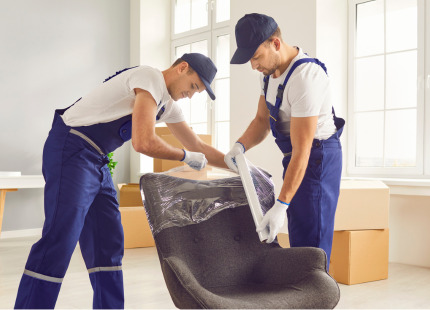
Wooden surfaces benefit from clean wrapping and protection at corners and edges. Glass requires particular attention to separation, secure positioning and clear identification. Upholstered items should be covered against dust and contact with walls or other loads, while metal frames need protection where they could scratch floors or adjacent furniture.
Empty drawers and cupboards before moving them. Secure doors and removable shelves without placing pressure on hinges or handles. Keep keys, remote controls and detachable parts in labelled containers rather than leaving them inside the furniture.
Personal packing and professional packing are different choices. Packing yourself may reduce the amount of specialist work required, but it also means you remain responsible for how items are prepared. If you are unsure about a fragile or high-value piece, ask whether professional wrapping or a separate handling plan is appropriate.
Furniture Disassembly and Reassembly
Furniture disassembly and reassembly can make a difficult move much safer. It may be needed for large beds, wardrobes, modular sofas, dining tables and desks that cannot pass through the available route in one piece. However, dismantling is not automatically suitable for every item.
Older, flat-pack or previously repaired furniture may have weakened joints, missing fittings or brittle panels. Repeated assembly can also affect some products. Before work begins, point out loose connections, existing damage and any manufacturer instructions you have kept. A professional team should assess how the item can be handled rather than treating every piece as identical.
Use labelled fittings and photograph complicated connections before dismantling. At the destination, decide where the item should stand before reassembly begins. Moving a fully rebuilt wardrobe across a room may create more risk than positioning it first and then completing the assembly.
Plan for Fragile or High-Value Items
Tell the moving coordinator about artwork, antiques, marble, glass, musical instruments and furniture with unusual finishes. These items may require different packaging, additional space or a separate service assessment. Do not conceal fragile items among ordinary household goods in the hope that they will receive extra care; clear information leads to better planning.
For especially valuable belongings, keep any available purchase records, photographs and condition notes. Requirements and suitable protection can vary by item and circumstance, so discuss the practical options before the move rather than making assumptions about cover or liability.
Tell us about your move and get a personalized quote based on your requirements.
Making Moving Day and Move-In Coordination Work Smoothly
A well-organised moving day has a clear sequence: the team accesses the property, protects the working route, handles furniture in a planned order, checks the load before departure and unloads according to the new home’s layout. Your role is to keep decisions available without trying to manage every lift or carry yourself.
Prepare the Property Before Arrival
Clear loose objects from hallways and floors. Remove hanging items that could catch on furniture, protect surfaces where required and keep children and pets away from the active work area. Make sure keys, access cards and contact details for both properties are available.
Keep a small personal bag with documents, medication, chargers, toiletries, water and a change of clothes. These items should travel with you rather than inside the moving vehicle. If you need access to the new home before the movers arrive, arrange this in advance with the landlord, agent or building management.
Load and Unload in the Right Order
The loading sequence should protect furniture and make sensible use of vehicle space. Large stable pieces are generally planned together with smaller items placed securely around them, but the exact arrangement depends on the inventory, packaging and vehicle. Avoid asking the crew to rush because the building’s access window is closing; early coordination is safer than hurried handling.
At the destination, direct the team to the correct room before each major item is brought inside. This is more efficient than creating a pile in the living room and moving everything again later. Keep a copy of your inventory and check that dismantled parts, shelves and fitting bags have arrived with the relevant furniture.
Complete a Practical Handover Check
Before the vehicle leaves, walk through the old property and check cupboards, balconies, storage areas and behind doors. At the new property, inspect the main furniture as it is positioned, especially items that were dismantled or required special protection. Note any concern promptly and follow the agreed reporting process.
Do not reconnect appliances or place heavy furniture against walls until you have confirmed that the position is suitable. Check that doors, drawers and moving parts operate as expected. This final review is not about slowing the move; it is about identifying questions while the item, packaging and handling context are still clear.
For households that need a coordinated local move rather than transport alone, the Local Moving Services offered by Khimji Ramdas Relocation Services may provide a more suitable framework. The right level of support depends on the inventory, access and work you want completed.
Discuss your moving requirements with our team and find the right support for your move. 
Common Mistakes to Avoid When Moving Furniture in Muwaileh
Most difficult moves are not caused by one dramatic problem. They result from several small assumptions: the lift will be available, the sofa will fit, parking will be easy, the wardrobe can be carried intact or the new flat will be ready at the expected time. Identifying these assumptions early makes the plan more reliable.
Do Not Leave Measurements Until the Last Day
Measure the largest items and the tightest access points before confirming the plan. Pay attention to diagonal movement, packaging thickness and turning space. If measurements are uncertain, send photographs or request an assessment rather than relying on a guess.
Do Not Mix Essential Items With the Main Load
Your first-night requirements should be clearly identified and easy to reach. If bedding, chargers, basic kitchen equipment and work essentials are hidden behind large furniture, the move may feel unfinished even when everything has arrived safely.
Do Not Assume the New Home Is Ready
Confirm that the property can receive furniture, that access cards or keys are available and that any maintenance or cleaning work will not obstruct the entrance. If there is a gap between vacating the old home and entering the new one, ask about suitable storage options. Availability, terms and suitability must be checked for your specific move.
Do Not Choose Only on the Lowest Initial Price
A low figure may exclude wrapping, dismantling, extra carrying distance, difficult access or reassembly. Compare the written scope, not just the headline amount. Ask what information the quotation is based on and whether changes to the inventory or access conditions could affect the final arrangement.
For furniture-specific requirements, review the Furniture Moving Services information and discuss the items that concern you most. A conversation about one oversized or fragile piece can reveal more about the suitability of a moving plan than a generic room count.
Wrapping Up
Planning a move with furniture movers in Muwaileh starts with the details that are easiest to overlook: the route from the road to the front door, lift and doorway measurements, building permissions, the condition of each item and the order in which furniture should enter the new home. These details influence safety, timing and the amount of work required far more than distance alone.
Create a realistic inventory, separate essential belongings, confirm access at both properties and agree clearly on wrapping, transport, disassembly and reassembly. If you are moving within Sharjah and want help assessing the practical requirements, you can explore the Sharjah relocation services available from Khimji Ramdas Relocation Services. The next useful step is to share accurate property and furniture information so the moving plan reflects your actual home rather than an assumption.

FAQs - Furniture Movers in Muwaileh
What should I tell furniture movers in Muwaileh before getting a quotation?
Share your inventory, floor levels, lift details, parking distance, oversized items, fragile furniture and whether you need wrapping, disassembly or reassembly. Photos can help clarify access.
Do Muwaileh apartment movers need building approval before moving furniture?
Many buildings have their own access, parking or lift procedures, but requirements vary. Confirm the rules with property management or security for both addresses before moving day.
How can I check building access for moving trucks in Muwaileh?
Check the approach road, gate, loading area, parking distance, lift entrance, stairwell and apartment door. Tell the moving coordinator about tight turns, steps, barriers or restricted access.
Is furniture disassembly and reassembly included in a local move?
It depends on the agreed service scope and the furniture’s condition. Confirm this in advance, especially for wardrobes, beds, modular sofas and tables that may not fit through the access route.
How should I prepare furniture for household furniture transport?
Empty drawers and cupboards, remove detachable parts, label fittings and protect fragile surfaces. Photograph valuable items beforehand and disclose existing damage or unusual materials.
What is the best way to organise move-in coordination for a Sharjah apartment?
Confirm keys, access cards, lift availability, parking and the approved moving window. Label destination rooms and decide where large furniture will go before unloading begins.
Can Khimji Ramdas Relocation Services help with a furniture move within Muwaileh?
Khimji Ramdas Relocation Services can discuss local moving requirements such as furniture handling, protection, transport and coordination. The exact scope depends on your inventory, access and property arrangements.
Explore Our Most Relevant Articles
With a dedicated single point of contact offering comprehensive, tailored solutions, streamlined processes, and a network of suppliers, we ensure a superior relocation experience. Our commitment to excellence ensures that every aspect of the relocation process is efficiently managed, delivering satisfaction to our clients.

UAE Car Customs Clearance: Common Delays and How to Avoid Them
Car customs clearance in the UAE can face avoidable delays. Learn which documents cause holds and how to prepare your vehicle shipment before arrival.

Pet Import Permits for the UAE: Step-by-Step Guide (2026)
Learn how to arrange a UAE pet import permit in 2026, including microchips, vaccinations, documents, application steps, timing and common mistakes.

Dubai Neighbourhood Trends: Where Most Residents Choose to Live
Compare Dubai neighbourhood options by lifestyle, family needs, commute, housing and amenities, then plan a smoother move with practical expert guidance.