UAE Car Customs Clearance: Common Delays and How to Avoid Them
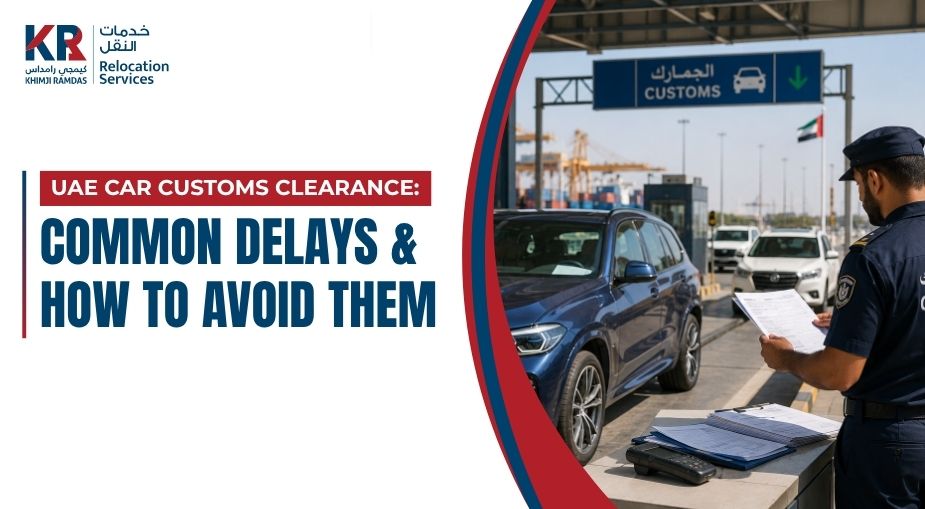
Car customs clearance in the UAE can be delayed even when a vehicle has already arrived safely, usually because the shipment record, ownership documents, or declared details do not match what customs needs to assess. The problem is rarely solved by simply waiting at the port; it is usually identified and corrected through document checks, authority queries, or amendments.
This guide focuses on the customs-clearance stage for imported vehicles, including cars shipped from the USA to Dubai and other UAE destinations. You will learn which preparation errors commonly cause delays, how to organise your paperwork, what happens when customs raises a query, and why customs clearance should not be confused with vehicle registration.
What Car Customs Clearance Covers in the UAE
Car customs clearance is the process of presenting an imported vehicle and its shipment documentation to the relevant customs authority so the vehicle can be assessed and released under the applicable procedures. It is one stage in the vehicle’s arrival journey, not the complete process of putting the car on the road.
Customs Clearance Is Not Vehicle Registration
Customs clearance concerns the vehicle’s import and release. Vehicle registration is a separate post-arrival process involving the relevant transport authority, inspection requirements, insurance arrangements, ownership records, and other conditions that may apply to the emirate and vehicle.
A car can therefore be cleared by customs but still require further steps before it can be registered or legally driven. Conversely, a registration issue does not necessarily mean that customs has made an error. Keeping these stages separate helps you identify the right problem and contact the right party.
Why a Vehicle May Be Held
A customs hold may arise when officials need clarification, supporting evidence, or a correction to the shipment record. Common triggers include inconsistent vehicle identification details, incomplete ownership evidence, unclear invoices, missing authorisations, or information that does not correspond across the bill of lading, export documents, and customs declaration.
Requirements can vary according to the vehicle’s origin, destination emirate, shipment type, ownership circumstances, and current authority procedures. A vehicle arriving through Dubai may not follow exactly the same operational path as one arriving through another UAE port. This is why general online checklists should be treated as preparation aids rather than a substitute for case-specific confirmation.
For owners using car shipping companies in Dubai, the useful question is not only whether the company can arrange vehicle shipping. It is whether the coordinator has checked the customs information before the vehicle reaches the port and has a clear process for responding if customs requests clarification.

Tell us about your move and get a personalized quote based on your requirements.
Which Documents Commonly Cause Car Customs Delays?
The most preventable delays usually begin before loading. Customs officers and clearance representatives need to connect the physical vehicle with the declared owner, exporter, shipment, and value. If one document uses a different spelling, vehicle number, address, or description, the discrepancy may need to be investigated before release.
Check the Vehicle Identity Across Every Record
Compare the vehicle identification number, make, model, year, colour, and ownership details across the available documents. Pay particular attention to the vehicle identification number, because one incorrect character can create a mismatch that is difficult to resolve after arrival.
A practical example is a US export record that contains the correct vehicle identification number while a shipping instruction contains a transposed digit. The car may arrive without physical damage, but the record mismatch can still stop the clearance file until the correct information is confirmed and amended.
Prepare Ownership and Shipment Evidence
The exact document set depends on the circumstances, but a clearance file may need evidence such as ownership documentation, purchase or value evidence, shipping documents, identification, and an authorisation for the party acting on the owner’s behalf. Additional documents may be relevant for financed vehicles, company-owned vehicles, inherited vehicles, or cars being imported by someone other than the named owner.
Before shipment, ask the coordinating party to confirm which documents apply to your case and whether originals, copies, translations, attestations, or electronically submitted versions are accepted by the relevant authority. Do not assume that a document accepted in the exporting country will automatically be sufficient in the UAE.
Use a Controlled Document Pack
Keep one master version of the vehicle information and use it whenever a form, booking instruction, declaration, or email is prepared. The pack should make it easy to locate:
- The vehicle identification and ownership details.
- The commercial or value evidence relevant to the shipment.
- The transport document and shipment reference.
- Your identification and any required authorisation.
Send clear scans, keep the originals secure, and record who has received each document. If a broker, carrier, exporter, and owner all work from different versions, small inconsistencies can become a clearance problem.

Discuss your moving requirements with our team and find the right support for your move.
How to Prepare Your Vehicle Shipment Before It Reaches the UAE
Good customs preparation is more than collecting paperwork. It means checking that the shipment description, vehicle condition, ownership position, and declared information make sense together. A car carrier can move the vehicle physically, but customs clearance depends on the quality and consistency of the information supporting that movement.
Confirm the Declared Information Before Loading
Ask for a pre-shipment review of the vehicle details and the information expected to appear in the transport and clearance file. Confirm the origin, intended UAE destination, named consignee, vehicle identification number, ownership status, and any details that may affect how the shipment is handled.
This is particularly important when you ship a car from the USA to Dubai through several parties. The auction house, exporter, inland transporter, ocean carrier, destination agent, and owner may each use a different reference. A single control sheet helps the team connect those references and identify errors before the car is at the port.
Flag Unusual Ownership or Vehicle Circumstances Early
Tell the clearance coordinator in advance if the vehicle is leased, financed, inherited, purchased from an auction, owned by a company, being imported as part of a relocation, or shipped under a consignee name different from the person who will handle the next stage. Such circumstances do not automatically prevent clearance, but they can change the evidence or authorisation needed.
The same applies to modified, damaged, non-running, classic, or unusually specified vehicles. The vehicle’s physical condition may affect handling, inspection, or transport arrangements, while its documentation still needs to support the customs declaration. Do not wait until arrival to disclose a circumstance that could influence the file.
Verify the Shipping Status and Arrival Information
Keep the bill of lading or equivalent shipment reference, estimated arrival information, port details, and destination contact information together. Arrival estimates can change, and a delayed clearance file may create storage or handling consequences depending on the port, carrier, and applicable terms.
Your car transport service should be able to explain who is monitoring the shipment and who will contact you if a customs query arises. This does not mean the provider controls customs decisions. It means you should know how information will move between you, the clearance representative, the carrier, and the authority.
At Khimji Ramdas Relocation Services, a vehicle-shipping discussion should therefore cover the clearance file as well as the physical movement of the car. Early coordination gives the owner more time to correct a document issue while the vehicle is still in transit.
What Happens When Customs Raises a Query or Places a Hold?
A customs hold is a status that requires attention, not proof that the vehicle will be rejected. The first task is to establish exactly what is missing, inconsistent, or awaiting confirmation. Guessing can create more amendments and slow the file further.
Ask for the Specific Reason and Required Action
Request a clear explanation of the issue and identify whether customs needs a document, a corrected declaration, clarification of ownership or value, a physical inspection, or another action. Ask for the relevant reference number and note any submission deadline or port-related consideration communicated by the authorised representative.
Avoid sending multiple informal explanations that contain slightly different facts. Provide one accurate response supported by the relevant documents. If a correction is needed, check the corrected version carefully before it is submitted.
Respond Quickly Without Making Unsupported Claims
Owners sometimes try to resolve a hold by describing the vehicle as a different model, changing a value without evidence, or omitting an inconvenient ownership detail. That approach can create a more serious discrepancy. Customs authorities make their own decisions, and neither a carrier nor a relocation company can guarantee the outcome of an official review.
The safer approach is to supply truthful, consistent evidence and allow the authorised clearance party to explain the next procedural step. Requirements may vary by authority, vehicle, origin, shipment structure, and individual circumstances, so the response should be based on the actual file rather than a generic template.
Understand the Possible Operational Consequences
While a file is being reviewed, the vehicle may remain subject to port, terminal, carrier, or storage arrangements. The practical consequences depend on the shipment terms and the parties involved. Ask who is responsible for updates, whether any additional charges may arise under the agreed terms, and which actions are time-sensitive.
A good coordinator should distinguish three different questions: what customs requires, what the shipping line or terminal requires, and what you must do for the next stage after release. Keeping those questions separate prevents you from paying for an unnecessary service or overlooking an urgent document request.
If Khimji Ramdas Relocation Services is coordinating your vehicle move, share requested information promptly and keep the communication record in one place. Our role may include guiding and coordinating the clearance process, while the relevant UAE authorities retain responsibility for official assessment and decisions.
Our moving experts are here to assist you.
How to Choose a Vehicle Shipping Partner for Fewer Delays
The right provider cannot remove every customs risk, because documents, authorities, ports, and individual vehicle circumstances vary. It can, however, reduce avoidable errors through early checking, clear responsibility, and disciplined communication. This is more valuable than choosing a provider based only on the lowest transport quote.
Questions to Ask Carriers and Clearance Coordinators
Ask whether the quoted service includes destination coordination, who prepares or reviews the customs file, which documents they need from you, and when they expect to receive them. Confirm whether the same team is tracking both the shipment and the clearance status, or whether you will need to coordinate separately with a car carrier and a clearance agent.
Also ask how discrepancies are handled. A useful answer should explain how a query is recorded, who contacts you, how corrected documents are submitted, and how you receive status updates. Be cautious of promises that customs clearance is guaranteed or that a fixed release time applies to every vehicle.
Compare Service Scope, Not Just Transport Terms
Car freight companies and automobile moving companies may offer different combinations of origin collection, export coordination, ocean transport, destination handling, customs support, delivery, and post-arrival assistance. A quote that covers only transport may leave you to arrange the most document-sensitive stage yourself.
Before comparing offers, write down the services you actually need. For example, a relocating employee may need household goods and vehicle coordination under one move plan, while a private buyer may need a focused vehicle shipment. The best option depends on ownership, origin, destination, timing, and your ability to manage different suppliers.
Keep Registration Outside the Customs Question
After customs release, ask separately about the steps required for vehicle inspection, insurance, registration, number plates, and local road use. The responsible authority, documentation, and outcome can vary, and clearance of the import does not by itself confirm that the vehicle will meet every registration condition.
Khimji Ramdas Relocation Services can help you understand where vehicle shipping and relocation coordination fit within your wider move. When discussing car shipping services, provide the origin, UAE destination, vehicle details, ownership position, and preferred timing so the scope can be assessed accurately rather than assumed.
Wrapping Up
Most UAE car customs delays are easier to prevent before shipment than to solve after arrival. Check the vehicle identification number and ownership details across every record, prepare a controlled document pack, disclose unusual circumstances early, and agree who will monitor the clearance file and answer authority queries.
Remember that customs clearance is only the release stage. Registration, inspection, insurance, and lawful road use are separate post-arrival matters that may involve different requirements and authorities. If you are arranging vehicle shipping Dubai services or planning to ship a car from the USA to Dubai, choose a coordinator that treats documentation and communication as part of the move, not as an afterthought.
Khimji Ramdas Relocation Services can support the planning and coordination of car shipping services where they fit your relocation needs. The practical next step is to request a case-specific document review before loading, confirm the destination process, and clarify any requirements that may vary for your vehicle and shipment.


FAQs About Car Customs Clearance in the UAE
What is car customs clearance in the UAE?
Car customs clearance is the process of submitting a vehicle and its shipment documents for official assessment and release. It is separate from vehicle inspection, registration, insurance, and road-use requirements.
Which documents commonly delay car customs clearance?
Mismatched vehicle identification numbers, incomplete ownership evidence, unclear value documents, missing shipping records, and absent authorisations commonly cause queries. Requirements vary by shipment and should be confirmed in advance.
How can I avoid customs delays when shipping a car from the USA to Dubai?
Check the vehicle identification number and owner details across all records, prepare clear supporting documents, disclose auction or finance circumstances early, and arrange a pre-shipment clearance review.
Can a car shipping company guarantee UAE customs clearance?
No provider can guarantee an authority’s decision. A qualified coordinator can review documents, submit information, track queries, and support corrections, while customs retains responsibility for assessment and release.
How long does car customs clearance take in the UAE?
There is no universal clearance time. It depends on document accuracy, shipment details, port operations, inspections, authority queries, and the vehicle’s circumstances. Confirm the current expectation for your specific file.
Is customs clearance the same as vehicle registration in the UAE?
No. Customs clearance releases the imported vehicle from the import process. Registration is a separate post-arrival procedure that may involve inspection, insurance, ownership records, and transport-authority requirements.
Can Khimji Ramdas Relocation Services help with UAE car customs clearance?
Khimji Ramdas Relocation Services can guide and coordinate vehicle shipping and related clearance support where appropriate. The exact scope depends on the vehicle, origin, destination, documents, and current authority requirements.
Explore Our Most Relevant Articles
With a dedicated single point of contact offering comprehensive, tailored solutions, streamlined processes, and a network of suppliers, we ensure a superior relocation experience. Our commitment to excellence ensures that every aspect of the relocation process is efficiently managed, delivering satisfaction to our clients.

Pet Import Permits for the UAE: Step-by-Step Guide (2026)
Learn how to arrange a UAE pet import permit in 2026, including microchips, vaccinations, documents, application steps, timing and common mistakes.

Dubai Neighbourhood Trends: Where Most Residents Choose to Live
Compare Dubai neighbourhood options by lifestyle, family needs, commute, housing and amenities, then plan a smoother move with practical expert guidance.

Short Distance Movers in Mussafah: Nearby Relocation Guide Abu Dhabi
Table of Contents Toggle Planning a Short Distance Move in MussafahWhat Makes Short Distance Moving...