Furniture Movers in Al Khan: What to Arrange Before the Truck Arrives

Furniture movers in Al Khan need more than a truck and a lifting team when a move involves a waterfront apartment, a high-rise tower, or a narrow access route. The arrangements you make before arrival can determine whether the move runs smoothly or becomes delayed by parking restrictions, lift availability, tight corridors, or an oversized sofa that cannot pass through the planned route.
This guide explains what to confirm before moving day, how to prepare furniture and access points, and what to discuss with a local moving company. It also covers service elevator coordination, fragile furniture protection, loading access, and the practical ways Khimji Ramdas Relocation Services can help you organise a furniture move in Al Khan.
What to Confirm Before Booking Furniture Movers in Al Khan
A successful move starts with accurate information, not with the moving truck. Al Khan properties vary considerably: you may be moving from a low-rise building, a furnished waterfront apartment, a tower with a shared loading area, or a home where vehicle access is restricted during busy periods. The more clearly you describe the move, the more realistic the preparation and quotation can be.
Record the Move Details Clearly
Prepare a short inventory before contacting a moving company. You do not need a perfect spreadsheet, but you should identify the items that affect manpower, protection, access, or vehicle space. Include sofas, beds, wardrobes, dining tables, display cabinets, appliances being moved with the furniture, mirrors, artwork, and unusually heavy pieces.
Note the number of floors at both addresses, whether either property is in a tower, and whether the furniture is already assembled. A king-size bed that can be dismantled is a different planning problem from one with a fixed headboard. Likewise, a modular sofa may be straightforward to move while a single-piece sectional may require a different route or additional handling.
Photographs are particularly useful. Take wide images of the furniture and close images of corners, glass panels, polished surfaces, existing marks, and joinery. These photographs help distinguish pre-existing wear from movement-related damage and give the movers better information before the survey or moving day.
Identify Items That Need Special Attention
Tell the moving coordinator about furniture made from glass, marble, veneer, lacquer, solid wood, antique materials, or delicate upholstery. Also mention pieces with loose legs, concealed mechanisms, hydraulic storage, mirrors, or detachable decorative elements.
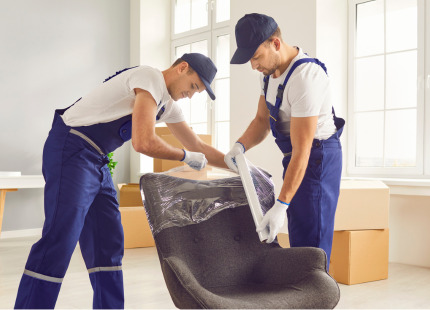
Fragile furniture protection is not simply a matter of wrapping everything in plastic. Different surfaces need different protection. Upholstery may need breathable covers during handling, while polished timber and glass need cushioning that prevents rubbing, impact, and pressure at vulnerable points. Protective materials should be applied without trapping moisture or placing adhesive directly on finished surfaces.
Use the Local Service Context to Your Advantage
If you are moving within Sharjah or between Al Khan and another UAE neighbourhood, local knowledge can help with practical planning, but it does not remove the need to confirm building rules. You can review the Sharjah moving service area when assessing whether your origin and destination fall within the relevant local service coverage.
Before accepting a quote, ask what it includes. Clarify whether dismantling, reassembly, wrapping, furniture protection, floor protection, loading, unloading, and placement are included or treated as separate requirements. A lower price may not be comparable if one proposal includes preparation and the other covers transport only.
How to Arrange Tower Access and Parking in Al Khan
In a tower move, the building is part of the moving plan. A moving team can handle furniture efficiently, yet still lose substantial time if the service lift is not reserved, the loading bay is occupied, or the truck cannot reach the entrance. These issues are especially important around waterfront residences, where visitor activity, narrow internal roads, and limited stopping areas can affect access.
Speak to Building Management Early
Contact the building manager, concierge, security desk, or facilities team as soon as you know the likely moving date. Ask about the approved moving hours, service lift booking process, loading bay rules, security deposits if applicable, and any forms or identification the building may request. Requirements differ between buildings, so do not rely on what worked at a previous address.
Ask whether the service lift has internal dimensions or weight limits that could affect wardrobes, sofas, large appliances, or stone-topped furniture. If a piece is close to the available clearance, measure it before moving day rather than discovering the problem in the lobby.
Service elevator coordination should include a realistic time window, not just a general statement that the lift is available. If the building allocates a fixed slot, ensure the moving team knows when the booking begins and ends. Delays at the origin can affect the destination booking, particularly when both buildings operate strict schedules.
Plan Loading and Parking Access
Loading and parking access should be confirmed at both ends of the move. Find out where the vehicle may stop, how far the team must carry furniture, whether a trolley can be used through common areas, and whether security will direct the vehicle to a particular entrance.
If the truck cannot park directly beside the building, the extra carrying distance matters. It can influence the number of people required, the time needed for loading, and the protection needed for furniture travelling through outdoor or shared spaces. Tell the coordinator about ramps, steps, kerbs, basement access, low-clearance areas, or a long route from the parking point to the lift.
A practical example is a move from a furnished Al Khan apartment where the truck can stop only at the road entrance. The team may need to move wrapped items through a lobby and across a longer route than expected. Reserving the correct access point and keeping the route clear can make a greater difference than trying to reduce a small part of the moving inventory.
Check the Furniture Route Inside the Home
Walk the route from each item to the entrance. Measure doorways, lift doors, stair turns, corridor corners, and any narrow points. Remember that the usable opening can be smaller than the door frame because of hinges, handles, skirting, handrails, or protective coverings.
Remove small objects, rugs, wall decorations, and low furniture that obstruct the path. Protect vulnerable flooring and corners where needed, and tell the movers about any area that must not be used. If a sofa or wardrobe cannot pass through the standard route, a specialist assessment may be required. Do not assume that lifting over a balcony or using external equipment is permitted; such options depend on the property, equipment, safety conditions, and building approval.
Tell us about your move and get a personalized quote based on your requirements. 
Preparing Sofas, Wardrobes, and Fragile Furniture
Furniture damage often occurs during preparation rather than during the main journey. Loose drawers, unsecured doors, unprotected corners, and furniture that is lifted by a weak component can create avoidable problems. Preparation should make each item safer to handle while preserving its finish.
Prepare Bulky Sofas and Large Pieces
For bulky sofa moving, measure the sofa in its smallest practical configuration. Check whether the legs, arms, backs, cushions, or chaise sections can be removed. Look for manufacturer fixings or ask a qualified moving team to assess the item rather than forcing parts apart.
Do not remove structural components simply to make an item smaller. An incorrect dismantling attempt can damage frames, fittings, reclining mechanisms, or upholstery. Photograph connections before anything is taken apart and place small fittings in a labelled bag attached to the relevant item.
Clear the sofa of cushions, blankets, remote controls, and objects stored underneath. Keep these items together instead of placing them in unrelated cartons. If the sofa has a recliner or adjustable mechanism, secure moving parts only in a way that does not put pressure on the mechanism.
Protect Timber, Glass, and Upholstery
Clean, dry furniture is easier to inspect before wrapping. However, avoid applying new polish or oils immediately before the move. Some products can make surfaces slippery or transfer onto protective materials. Record existing scratches, chips, stains, or loose joints before the team begins.
For glass shelves and panels, remove them where appropriate and wrap them individually. Label glass clearly and keep it separated from heavy items. Mirrors and framed pieces should not be placed where other furniture can press against them. Drawers should normally be emptied; their contents add weight and may cause the drawer to open during carrying.
Upholstered items need protection from dirt, contact with walls, and compression. Covers should fit the piece without forcing it into an unsuitable shape. For wood, veneer, and high-gloss finishes, the important issue is preventing friction and impact at edges and corners. Discuss the proposed protection method if the piece is valuable, delicate, or difficult to repair.
Decide What Should Not Go on the Truck
Some household items may require separate handling, special packaging, or confirmation before they are accepted for transport. Examples can include hazardous materials, certain liquids, irreplaceable documents, and personal valuables. Keep passports, jewellery, cash, essential medication, and important keys with you.
If an item has unusual value or sentimental importance, say so before the move. This gives the moving team an opportunity to discuss handling, inventory, packing, and any applicable terms before loading begins. A valuable item should never be treated as an ordinary carton simply because it fits inside one.
What to Expect on Moving Day
Moving day is easier when responsibilities are clear. The customer, building, and moving team each control different parts of the process. Your role is not to supervise every lift, but to provide access, identify priorities, and make decisions when the original plan needs adjustment.
Complete a Final Access Check
Before the team arrives, confirm that the service lift and loading area remain available. Building bookings can change, security instructions may be updated, and another resident may occupy an area informally. Keep the building contact details accessible so a problem can be resolved quickly.
Ensure someone authorised is present at the property or has given clear access instructions. The team should know which furniture is moving, which items are staying, and whether any room or cabinet must remain closed. Separate non-moving items so they are not accidentally wrapped or loaded.
Parked vehicles, delivery trolleys, bicycles, plant pots, and corridor storage can reduce the available route. Removing these obstacles before the arrival window is usually more effective than asking the movers to work around them.
Use an Inventory and Condition Record
A simple inventory helps you check that all major items arrive. It should identify unusual furniture and any items that were dismantled. Photographs taken before wrapping provide a useful condition record, especially for polished tables, glass cabinets, light-coloured upholstery, and pieces with existing marks.
At the destination, check major items before putting them into their final positions. Confirm that drawers, doors, legs, shelves, and mechanisms are present and functioning as expected. If something does not appear correct, raise it promptly with the moving team and follow the documentation process provided for the move.
Keep the Destination Ready
Measure the final positions before loading begins. Decide where the bed, sofa, dining table, and large cabinets will go, taking account of doors, sockets, air-conditioning units, and walking space. A room plan prevents repeated lifting and reduces the chance of furniture being dragged across a finished floor.
If you are moving into a tower, confirm the destination service lift and parking arrangements separately from the origin. A booking at one building does not automatically apply at the other. Keep pets and young children away from active carrying routes, and secure personal items that could be lost among wrapping materials.
For a broader view of the process, the local moving services page can help you understand how a local move may be coordinated. For a move focused mainly on large, delicate, or high-value pieces, review the furniture Moving services information and discuss the actual inventory with the coordinator.
Discuss your moving requirements with our team and find the right support for your move. 
Choosing the Right Furniture Moving Plan for Your Apartment
Not every Al Khan furniture move needs the same level of preparation. The right service depends on the furniture, access, distance, property rules, and consequences of damage or delay. Comparing providers only by the transport price can leave important work undefined.
Questions That Reveal Whether a Quote Is Suitable
Ask how the company will assess large furniture, what protection is planned, and whether the team will dismantle and reassemble eligible items. Confirm how access restrictions, additional carrying distance, service lift delays, stairs, and difficult pieces are handled in the quotation or service agreement.
You should also understand what happens if the furniture cannot pass through the agreed route. A professional discussion should identify the limitation before moving day and distinguish between a safe alternative and an improvised action that could damage the building or the furniture.
Useful questions include:
- Who will coordinate with the building or advise you on the information the building requires?
- Are wrapping, floor protection, dismantling, reassembly, loading, unloading, and placement included?
- How are pre-existing marks, fragile items, and unusual furniture recorded?
- What should remain with the customer rather than being loaded?
The answers matter because two apparently similar quotes may describe very different levels of preparation and responsibility.
When Professional Coordination Adds the Most Value
A straightforward move with light, durable furniture and easy ground-level access may require less planning than a tower relocation. Professional coordination becomes more valuable when the move includes a narrow lift, a long carry from the vehicle, valuable finishes, multiple buildings, restricted moving hours, or furniture that needs careful dismantling.
At Khimji Ramdas Relocation Services, our role is to help you prepare the move around the actual property conditions. That can include discussing the inventory, identifying access questions, coordinating the moving sequence, and supporting the careful handling of household furniture. Building management, customs authorities, and other third parties retain control of their own approvals and decisions, so arrangements should always be confirmed with the relevant authority.
A Simple Decision Rule
Choose a plan that accounts for the most difficult item and the most restricted access point, not the easiest one. If the largest sofa fits comfortably, the lift is reserved, the route is clear, and fragile pieces have an agreed protection method, the rest of the move is usually easier to manage.
Before the truck arrives, you should be able to answer four questions: what is moving, how will each major piece leave the property, where can the vehicle load, and where will each item go at the destination? If any answer is uncertain, resolve it before moving day rather than relying on last-minute improvisation.
Wrapping Up
A furniture move in Al Khan is rarely just a matter of carrying items from an apartment to a truck. Tower access, service elevator coordination, parking, furniture dimensions, protective wrapping, and the destination route all affect the outcome. Early measurements, clear photographs, building communication, and an agreed inventory can prevent many of the delays and handling problems customers experience on moving day.
When comparing furniture movers in Al Khan, look beyond the vehicle and headline price. Choose a plan that reflects your building, your largest items, and the level of protection your furniture needs. Khimji Ramdas Relocation Services can support the planning and coordination of a local furniture move, helping you approach the truck arrival with a clearer route, better preparation, and fewer avoidable surprises.

FAQs - Furniture Movers in Al Khan
What should I arrange before furniture movers arrive in Al Khan?
Confirm building permissions, service lift availability, loading access, parking, furniture measurements, and the moving inventory. Clear the route and identify fragile or oversized items before the team arrives.
Do Al Khan tower apartments need service elevator coordination?
Usually, tower residents should confirm the building’s service-lift booking and moving-hour rules in advance. Requirements vary, so check directly with management and share the approved window with the movers.
How can I prepare a bulky sofa for moving?
Measure doorways and lift openings, remove cushions, and check whether legs, backs, or sections can be safely detached. Do not force structural parts apart; ask the moving team to assess difficult furniture.
Who arranges loading and parking access for a move in Al Khan?
The customer normally confirms building and parking rules, while the moving coordinator uses that information to plan the vehicle and loading sequence. Access conditions should be checked at both addresses.
How is fragile furniture protected during a local move?
Protection should match the material and design. Glass is wrapped separately, corners are cushioned, upholstery is covered appropriately, and polished or veneered surfaces are protected from rubbing and impact.
What should I ask when comparing furniture movers in Al Khan?
Ask whether the price includes wrapping, dismantling, reassembly, floor protection, loading, unloading, placement, and difficult access. Also clarify how pre-existing damage and unusual items are documented.
Can Khimji Ramdas Relocation Services help with a Sharjah tower relocation?
Khimji Ramdas Relocation Services can support local moving planning and coordination, including furniture handling and access discussions. Building approvals and lift rules remain subject to the property’s management.
Explore Our Most Relevant Articles
With a dedicated single point of contact offering comprehensive, tailored solutions, streamlined processes, and a network of suppliers, we ensure a superior relocation experience. Our commitment to excellence ensures that every aspect of the relocation process is efficiently managed, delivering satisfaction to our clients.

UAE Car Customs Clearance: Common Delays and How to Avoid Them
Car customs clearance in the UAE can face avoidable delays. Learn which documents cause holds and how to prepare your vehicle shipment before arrival.

Pet Import Permits for the UAE: Step-by-Step Guide (2026)
Learn how to arrange a UAE pet import permit in 2026, including microchips, vaccinations, documents, application steps, timing and common mistakes.

Dubai Neighbourhood Trends: Where Most Residents Choose to Live
Compare Dubai neighbourhood options by lifestyle, family needs, commute, housing and amenities, then plan a smoother move with practical expert guidance.