Furniture Movers in Al Qasimia: Prepare Your Home Before the Movers Arrive

Furniture movers in Al Qasimia can complete a household move more smoothly when the home, building access and larger items are prepared before the crew arrives. In this busy Sharjah neighbourhood, apartment layouts, older buildings, shared entrances, limited parking and lift availability can all affect how furniture is handled on moving day.
Good home move preparation is not about packing every item yourself. It is about removing avoidable obstacles, identifying furniture that needs special attention and making sure the movers have accurate information. This guide explains how to prepare an Al Qasimia home, coordinate access, decide what to dismantle and protect your belongings from the first room to the last.
Preparing Your Al Qasimia Home Before the Move
The most useful preparation happens before moving day, when there is still time to resolve access problems and make sensible decisions about what is worth moving. A short walk-through of the property can reveal issues that are easy to miss during a telephone booking, particularly in apartment buildings with narrow corridors, older lifts or restricted loading areas.
If you are comparing local providers, the Sharjah moving services page can help you understand the local service context before discussing your specific building and move requirements with Khimji Ramdas Relocation Services.
Confirm What Is Actually Moving
Start with a room-by-room list rather than estimating the move from the number of boxes. Include beds, wardrobes, sofas, dining tables, appliances, mirrors, televisions, desks and outdoor furniture. Note which pieces are staying, being donated, going into storage or moving to the new home.
This matters because furniture volume is only one part of the planning decision. A tall wardrobe may require more handling time than several small cartons. A glass dining table may need separate protection. A sofa that fits comfortably in the current room may be difficult to turn through a stairwell or corridor.
Mark items that are:
• Heavy, unusually large or difficult to carry
• Made from glass, marble, polished wood or another easily marked material
• Valuable, sentimental, fragile or awkwardly shaped
Photographs are helpful. Take clear images of large furniture from several angles, including existing marks or damage. This creates a practical reference for discussing condition and helps distinguish old wear from movement-related damage.
Complete a Decluttering Pass
Moving is an expensive time to transport belongings that you no longer use. Before packing, separate unwanted items from the move list. Do not leave this decision until the crew is carrying furniture downstairs; that creates confusion and can affect the planned handling sequence.
Decluttering also improves safety. Clear floors give the crew better footing, reduce the chance of objects being knocked over and make it easier to protect walls and door frames. If you are leaving a furnished rental, check what the landlord or property manager expects to remain in the property before removing built-in or supplied items.
Prepare a Move-Day Information Sheet
Keep one simple document or phone note with the information the moving team needs. Include the current address, building name, apartment number, contact person, destination address, parking instructions, access restrictions and any items requiring special attention.
Tell the coordinator if the building has a service lift, a lift booking system, a security desk, restricted loading hours, a narrow entrance or a long route from the parking area to the apartment. Information that seems minor can change the order in which furniture is dismantled, protected and carried.
If either property is still being handed over, confirm who will provide access and whether keys, access cards or security instructions will be available. Requirements can vary between buildings, so confirm them with the building management rather than relying on assumptions.
How to Manage Stair and Lift Access in Older Buildings
Access is often the point that determines whether a furniture move feels straightforward or becomes a sequence of delays. Al Qasimia includes apartment buildings with different ages, layouts and management arrangements. Some have generous lifts and loading areas; others require furniture to pass through tight corridors, stair landings or entrances that were not designed for today’s larger sofas and wardrobes.
The right approach is to inspect the route, communicate constraints early and avoid promising that a particular item will fit until it has been assessed properly.
Measure the Complete Route, Not Only the Door
Measure the apartment entrance, the lift door, the lift interior, corridor widths and any sharp turns. For large items, also check ceiling height at stair landings and the clearance around handrails, lights and door closers.
Measure furniture height, width and depth while it is in its most difficult orientation. A sofa may need to be tilted rather than carried flat. A bed frame may be manageable after dismantling but impossible as a complete unit. Record the measurements and take photographs of tight corners so the moving team can review them before the move.
The route should include the path from the apartment to the building entrance and from the vehicle to the destination door. A clear apartment doorway does not solve a problem at a narrow lobby turn or a low parking-level entrance.
Confirm Lift Arrangements Early
Ask building management whether the passenger lift may be used for furniture or whether a service lift is required. Check whether protective padding, a booking, an access card or a refundable deposit applies. The building’s own rules and the property manager’s instructions should be treated as the controlling information because they vary from one building to another.
If the lift is small, provide its internal measurements to the moving coordinator. Do not assume that a lift described as a “large lift” will accommodate a king-size mattress, a deep sofa or a fully assembled wardrobe. The practical question is whether the item can enter, turn and exit without being forced against the doors or walls.
Plan for Stair Carrying When Necessary
When stairs are part of the route, remove loose objects from landings and keep children and pets away from the working area. Let the moving team know about spiral stairs, unusually narrow flights, low beams, damaged tiles or doors that do not stay open.
Stair carrying can increase physical effort and handling risk, especially for marble, solid-wood or mirrored furniture. A professional team can review whether an item should be dismantled, carried in a different orientation or handled using a different route. Do not attempt to solve a difficult item alone by dragging it over stair edges; this can damage both the furniture and the building.
Coordinate Apartment Parking and Loading
Apartment parking coordination deserves attention because a vehicle may not be able to wait directly outside the entrance. Ask security or building management where the moving vehicle may stop, whether loading is allowed at the entrance and whether a booking is needed for a particular time window.
Share practical directions with the crew, including the nearest entrance, basement height restrictions, loading-bay instructions and the location of a service entrance. If parking is some distance away, clear the route of bicycles, loose plant pots and other obstructions where you are permitted to do so.
These details do not guarantee that a space will be available. They simply give everyone a workable plan and allow the moving team to adapt if the building’s access conditions change.
Tell us about your move and get a personalized quote based on your requirements. 
What to Pack, Protect and Dismantle Before Movers Arrive
Many customers ask whether they should dismantle furniture and pack every room before the crew arrives. The answer depends on the service agreed, the type of furniture and how much time you have. Some preparation is sensible for the resident, while technical dismantling and protection may be better handled by experienced movers.
For an overview of how a coordinated local move can be arranged, see the local moving services page. Discuss the scope in advance so there is no uncertainty about packing, furniture protection, dismantling, reassembly and placement.
Create a Safe Personal-Items Area
Set aside the belongings you will carry yourself. This normally includes passports, identity documents, keys, cash, medication, essential electronics, chargers, jewellery and items needed for children or pets. Keep them in a clearly labelled bag that does not go into the moving vehicle.
Prepare an essentials carton for the first evening. It may contain basic toiletries, towels, a change of clothes, cleaning supplies, drinking water, simple utensils and phone chargers. Label it clearly and tell the movers that it should be loaded last or kept accessible, depending on the agreed loading plan.
Do not place important documents or valuable personal items in an unmarked box. A moving inventory is useful, but it is not a substitute for keeping irreplaceable items under your direct control.
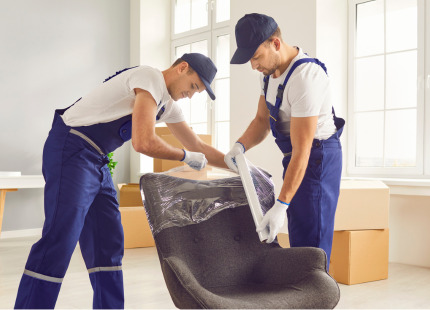
Protect Furniture Before It Leaves the Room
Empty drawers, cabinets and shelves before moving them. Loose contents add weight and can shift during handling. Secure removable shelves and hardware separately, and label screws or fittings by item rather than placing every piece in one mixed bag.
Keep original keys, remote controls and detachable parts with the relevant furniture. For example, a television stand with a missing bracket or a bed with unlabelled bolts can create unnecessary problems at the destination.
Close windows and remove curtains or hanging decorations that may obstruct tall items. Clear paths through each room and open doors fully where safe. If a floor has a particularly delicate finish, raise the issue before the team begins so the appropriate protection can be considered.
Decide What Requires Furniture Dismantling
Furniture dismantling is usually worth considering when an item is too wide for the lift, too heavy for safe handling or likely to be damaged at a turn. Beds, modular wardrobes, large desks and some shelving units are common examples, but construction varies widely.
Do not dismantle fitted, complex or unfamiliar furniture simply because it appears possible. Removing the wrong panel can weaken a frame, damage fittings or make reassembly difficult. Flat-pack pieces can also lose their alignment if repeatedly taken apart.
Before dismantling, check whether the item has manufacturer instructions and whether specialist installation, wiring or anchoring is involved. Photograph the assembled furniture and label each group of fittings. Where the agreed moving service includes dismantling, it is generally more practical to let the moving team assess the item on site and use suitable tools.
Protect Fragile and High-Risk Items Separately
Mirrors, framed artwork, glass shelves, marble tops and polished surfaces need more than ordinary wrapping. Tell the coordinator about them in advance and avoid stacking unrelated objects against them while the move is being prepared.
For televisions and electronics, keep cables together and label them by device. Drain and dry appliances as appropriate before the move, following the manufacturer’s guidance. Requirements for appliances can differ, and any gas, water or electrical disconnection should be completed by an appropriately qualified person where necessary.
A useful final check is to walk through the apartment after packing. Look behind doors, inside cupboards, on balconies and in storage rooms. Small items left behind are one of the most common problems in an otherwise well-organised move.
What to Expect on Moving Day in Al Qasimia
A well-prepared moving day still requires coordination. The crew needs a clear working area, the correct access information and a decision-maker who can answer questions about items, rooms and the destination. Your role is not to carry heavy furniture; it is to keep information and priorities clear while the professionals handle the physical work.
Start With a Walk-Through
Before loading begins, walk through the home with the team leader. Point out furniture that is fragile, newly purchased, unusually heavy or not included in the move. Show existing marks on floors, walls or furniture and identify the route to the lift or stairs.
At the destination, explain where key pieces should go. A wardrobe placed in the wrong corner may block a door once assembled, and moving it again can be harder than positioning it correctly the first time. Use room labels on doors or a simple plan if several rooms have similar entrances.
Keep the Working Route Clear
Remove children, pets and non-essential people from the active route. Keep personal bags, cleaning products and loose cables away from corridors. If you are remaining at home, choose one safe room or corner for items that are not moving and keep it clearly separated from the loading area.
Do not help by lifting from the opposite end unless the team leader asks you to. Unplanned assistance can change the balance of a heavy item and increase the chance of injury or contact with a wall. It is more useful to open doors, provide access cards and answer questions promptly.
Check Items as They Are Placed
At the destination, inspect furniture as it is placed and before the crew leaves. Check that wardrobes, beds, tables and appliances are in the intended rooms and that any agreed reassembly or positioning work has been completed. If something needs attention, raise it promptly with the team leader so it can be recorded and discussed through the appropriate process.
Keep the inventory, booking information and photographs available. A calm, factual record is more useful than trying to remember details after the team has departed.
Have a Contingency for Access Changes
Lift access may be delayed by building activity, an occupied loading area or an unexpected management instruction. Weather, traffic and building operations can also affect the practical sequence of work. Requirements and access arrangements are controlled by the relevant property or building authority, so they may change even after an initial discussion.
The best contingency is flexibility: keep a contact person reachable, allow some margin around the planned appointment and tell the moving coordinator immediately if the building changes its instructions. Khimji Ramdas Relocation Services can help coordinate the moving process and identify practical alternatives, but it cannot control decisions made by building management, authorities or other third parties.
Discuss your moving requirements with our team and find the right support for your move. 
Common Preparation Mistakes and Better Decisions
Most avoidable moving problems do not come from a lack of effort. They come from preparing the wrong things, withholding access information or making last-minute assumptions about furniture. Understanding these common mistakes helps you spend time where it makes the greatest difference.
Mistake: Packing Around Furniture That Will Be Dismantled
Some residents seal boxes tightly against wardrobes, beds or desks that later need to be moved away from the wall. This makes the room harder to work in and can force the crew to shift boxes repeatedly. Leave enough clearance around large pieces and keep their fittings accessible.
Mistake: Treating a Lift Booking as a Parking Booking
A lift reservation does not necessarily provide a vehicle space at the entrance. Confirm both arrangements separately with building management. If the vehicle must use a different entrance, send the correct instructions to the moving team before arrival.
Mistake: Assuming the New Home Has the Same Access
A sofa that leaves the current apartment easily may face a tighter corridor at the destination. Compare both routes, not only the origin. If the new property is in another Sharjah neighbourhood or building type, request measurements and access details before the move date.
Mistake: Choosing the Lowest Quote Without Comparing Scope
A price comparison is meaningful only when the services are comparable. Check whether the proposal covers the number of movers, vehicle requirements, furniture protection, dismantling, reassembly, stairs, waiting time and any packing support. Ask what assumptions the quotation makes about access and the number of items.
The lowest initial figure may not be the simplest option if important work is excluded or if the building route has not been considered. A clear scope gives you a better basis for deciding.
Mistake: Leaving Decisions Until the Crew Is at the Door
Last-minute questions are normal, but major changes can disrupt the plan. Confirm the move list, special items, addresses and access arrangements in advance. If you add furniture, remove a large item or change the destination, notify the coordinator as soon as possible.
For furniture-specific questions about protection, handling, dismantling or placement, review the furniture moving services information and discuss the actual items with Khimji Ramdas Relocation Services rather than relying on a generic estimate.
Wrapping Up
Preparing for a move with furniture movers in Al Qasimia means more than putting belongings into boxes. The strongest preparation combines an accurate furniture list, a clear access assessment, sensible decluttering, protected personal essentials and early coordination with building management. Measuring the route, checking lift and parking arrangements and identifying items that may need dismantling can prevent avoidable delays and damage.
You do not need to manage every technical task yourself. Your most valuable contribution is to provide accurate information and make timely decisions. Khimji Ramdas Relocation Services can support the local moving process by coordinating the agreed scope, handling furniture with appropriate care and helping you plan around the practical conditions of your Al Qasimia apartment. Request a detailed discussion of your home, furniture and access route so your moving plan reflects the property you are actually leaving and the one you are entering.

FAQs - Furniture Movers in Al Qasimia
How should I prepare my Al Qasimia apartment before furniture movers arrive?
Create a clear furniture list, remove unwanted items, empty drawers, protect personal essentials and confirm lift, stair and parking arrangements with building management before moving day.
Do Al Qasimia apartment movers need lift measurements?
Yes, lift door and interior measurements can help determine whether sofas, wardrobes and mattresses will fit safely. Share measurements and photographs of tight turns with the moving coordinator.
Who coordinates apartment parking for a furniture move in Al Qasimia?
The resident usually confirms loading rules and access with building management or security, while the moving coordinator uses those instructions to plan vehicle arrival and handling.
Should I dismantle my furniture before the movers arrive?
Only dismantle straightforward items if you are confident and can label the fittings. Complex, fitted or heavy pieces are better assessed by the moving team as part of the agreed service.
Can furniture movers handle older building stair access in Al Qasimia?
They can assess stair routes and plan suitable handling, but narrow landings, fragile surfaces and building restrictions should be disclosed early because access conditions vary by property.
What should I keep with me instead of loading into the moving vehicle?
Keep passports, identity documents, medication, keys, cash, jewellery, essential electronics, chargers and immediate personal necessities with you throughout the move.
How can Khimji Ramdas Relocation Services help with a local furniture move in Al Qasimia?
Khimji Ramdas Relocation Services can help coordinate the agreed local moving scope, furniture protection, handling and related preparation while building and authority decisions remain outside its control.
Explore Our Most Relevant Articles
With a dedicated single point of contact offering comprehensive, tailored solutions, streamlined processes, and a network of suppliers, we ensure a superior relocation experience. Our commitment to excellence ensures that every aspect of the relocation process is efficiently managed, delivering satisfaction to our clients.

UAE Car Customs Clearance: Common Delays and How to Avoid Them
Car customs clearance in the UAE can face avoidable delays. Learn which documents cause holds and how to prepare your vehicle shipment before arrival.

Pet Import Permits for the UAE: Step-by-Step Guide (2026)
Learn how to arrange a UAE pet import permit in 2026, including microchips, vaccinations, documents, application steps, timing and common mistakes.

Dubai Neighbourhood Trends: Where Most Residents Choose to Live
Compare Dubai neighbourhood options by lifestyle, family needs, commute, housing and amenities, then plan a smoother move with practical expert guidance.