Furniture Movers in Al Raha Beach: Planning Access, Packing and Move Day
Furniture movers in Al Raha Beach need to solve more than the physical task of carrying sofas and boxes. Apartment towers, waterfront access, shared loading areas, service lifts and building booking procedures can all affect whether a move runs smoothly or becomes a series of delays.
This guide explains how to plan an Al Raha Beach furniture move from the first building check to the final room placement. You will learn what to confirm with your tower, how to prepare furniture and walkways, how to manage access and parking, and how to choose practical support from Khimji Ramdas Relocation Services.
Understanding the Al Raha Beach Moving Environment
Al Raha Beach has a very different moving rhythm from a standalone villa neighbourhood. Many relocations take place in apartment towers or managed residential developments where residents share entrances, lifts, driveways and loading points. Your furniture may be ready, but the move cannot start efficiently if the building team has not approved the access arrangements.
Why Tower Access Needs Early Attention
A typical apartment move may involve a moving vehicle arriving at a controlled entrance, staff checking the booking, furniture shifting through a protected route, and repeated journeys in a service lift. Each part depends on the building’s own procedures. Requirements can vary between towers and may also differ between a move into an empty apartment, a move between occupied homes and a partial furniture delivery.
Ask the building management or concierge to confirm the practical process rather than relying on a general statement that moving is allowed. Useful points include the permitted moving hours, the booking process, the location of the service entrance, lift dimensions, vehicle height restrictions, protection requirements and the person responsible for opening access on the day.
It is also worth asking whether the tower requires a move-in or move-out notice, an approval from the landlord or owner, a refundable deposit, identification for the crew, or details of the moving vehicle. These are building-level matters and are not necessarily the same throughout Al Raha Beach.
Apartment Layouts Create Their Own Constraints
A furniture item that fits comfortably through the apartment door may still be difficult to bring through the lift lobby or a turn in the corridor. Measure large sofas, beds, wardrobes, dining tables and tall cabinets before move day. Record the longest, widest and deepest points, including packaging if the item will be wrapped before transport.
Pay particular attention to corner sofas, marble or glass tables, oversized headboards and wardrobes that cannot be turned on their side. A lift may have enough internal volume but an opening that is too narrow for a bulky item. The path from the service entrance to the lift can also include tight corners, ramps or changes in floor level.
When the measurements are uncertain, photographs of the furniture and access route can help a moving coordinator identify potential problems in advance. This is usually more useful than simply describing an item as large.
Tell us about your move and get a personalized quote based on your requirements. 
Waterfront Conditions and Shared Areas
A waterfront setting can expose the moving team and furniture to wind, heat, glare or occasional damp conditions while items are transferred between the vehicle and the building. Weather is not always predictable, so sensitive pieces should remain wrapped until they are inside the apartment and placed in their intended room.
Shared lobbies and corridors also need consideration. Residents, deliveries and maintenance teams may use the same routes. A well-planned move keeps the footprint controlled, protects common areas and avoids leaving packaging or furniture unattended in a passageway.
How to Plan Furniture Movers in Al Raha Beach
The most useful moving plan is specific enough to prevent avoidable decisions on the day. It should identify what is moving, where it is going, how the crew will enter the building and which items require special handling. A short site or video assessment can often reveal issues that are missed during a telephone estimate.
Create a Furniture and Access Inventory
Start with a room-by-room inventory. Note the quantity, approximate dimensions, weight concerns, fragility and whether each item needs dismantling. Include items that are easy to overlook, such as balcony furniture, mirrors, lamps, fitness equipment, shoe cabinets and storage contents.
For each large item, record its destination room. This helps the crew place furniture correctly instead of creating a second round of moving inside the apartment. Marking rooms with simple signs can be helpful when several bedrooms or storage areas look similar.
Separate items into three practical groups: ready to move as they are, requiring dismantling, and requiring special handling. The last group may include antiques, artwork, glass, stone, musical instruments, unusual electronics or furniture with delicate finishes. Tell the coordinator about these pieces early so the packing and protection approach can be agreed before collection.
Decide What Should Be Packed and What Should Not
Loose contents should not be left inside wardrobes, drawers or cabinets unless the moving team has specifically confirmed that this is suitable. Contents add weight and can shift during handling, while drawers or doors may open unexpectedly. In many cases, emptying furniture makes it safer to carry and reduces the risk of damage to the structure.
Clothing, books, kitchenware and small household goods should be packed in suitable cartons or containers. Heavy items should not be concentrated in one carton, and fragile items need enough cushioning to prevent movement. Keep important documents, medication, jewellery, keys and essentials with you rather than placing them in the general shipment.
If you need broader coordination for a household move, the Local Moving Services page provides a useful starting point for understanding the service discussion. Confirm the exact scope for packing, dismantling, reassembly, protection and placement before the quotation is accepted.
Build a Simple Move-Day Brief
Prepare one written brief for the building, the moving coordinator and anyone helping you. It should include the apartment number, contact person, preferred arrival window, service entrance, parking instructions, lift booking information and any items that must be handled first.
Also state what will happen if access is delayed. For example, the building may release the lift later than expected, a parking bay may be occupied, or a resident may need to collect keys before the crew can enter. A contingency plan does not remove the delay, but it helps prevent confusion about whether the crew should wait, unload, or reschedule a stage.
A useful brief also identifies the priority order. You may want beds assembled first, a home office protected until the last stage, or kitchen appliances kept accessible. Share these priorities in advance, not when the crew is already carrying furniture through the door.
Packing, Protection and Furniture Dismantling
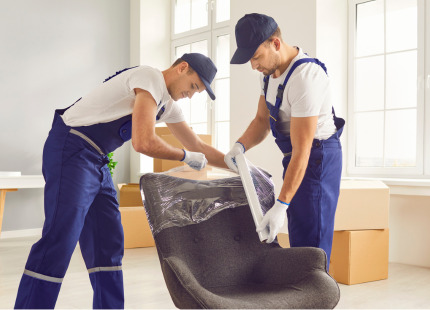
Furniture protection is not limited to wrapping an item in plastic. The correct approach depends on the material, shape, weight and route through the tower. The aim is to protect both the furniture and the building while keeping items manageable for the lift and corridor journey.
Protect the Item According to Its Finish
Wooden furniture can be vulnerable to scratches, corner impact and pressure marks. Glass requires protection against movement and contact at its edges. Upholstered pieces need a barrier against dust and rubbing, while polished or painted surfaces should not be wrapped in a way that traps moisture or transfers adhesive.
Corners, feet, handles and projecting parts usually need particular attention because they are the first points to contact a wall, door frame or lift interior. Loose shelves, removable legs and fragile fittings should be secured or packed separately where appropriate. Labelling hardware with the item it belongs to can save time during reassembly.
Building protection matters as well. Depending on the tower’s rules, the management team may require coverings for lift walls, floors or common-area surfaces. The moving coordinator should confirm what the building expects and who is responsible for supplying or installing the required protection.
When Furniture Dismantling Makes Sense
Dismantling can improve safety when a piece is too wide, tall or heavy for the route. Removing legs from a dining table, taking doors off a wardrobe or separating a bed frame may allow better control through a lift or corridor. It can also reduce the chance of striking walls and door frames.
However, dismantling is not automatically the best choice. Older fittings may be seized, delicate veneers can be damaged by poor handling, and some flat-pack furniture may not reassemble reliably after repeated moves. Photograph connections before disassembly and keep screws, brackets and specialist fittings together.
Tell the moving team about any furniture that must not be dismantled. Items with glued joints, complex mechanisms, integrated lighting or manufacturer-specific fittings may require a more cautious plan. If a piece cannot be safely dismantled or manoeuvred through the available route, an alternative may need to be considered before collection.
Packing a Waterfront Apartment for a Local Move
A short local journey does not remove the need for proper protection. Furniture can still be exposed to repeated handling, vehicle movement, heat and waiting time at the building entrance. Items should be secured so they cannot slide, lean against one another or press into sharp edges during transport.
For a move involving only selected furniture, avoid treating the shipment as an afterthought. A single sofa, bed or dining set may be more difficult to handle than several small cartons because of its size and the precision required at the destination. Share photographs, dimensions and access information when requesting a plan.
At Khimji Ramdas Relocation Services, furniture moving support can be discussed around the specific handling needs of the shipment, including protection, dismantling and placement where applicable. The important question is not simply whether a team can transport the furniture, but whether the complete route has been considered.
Discuss your moving requirements with our team and find the right support for your move. 
Coordinating Service Lift Access, Loading and Parking
Access coordination is often the difference between an orderly tower move and a day spent waiting. The moving vehicle, crew, building representative and resident all need the same information. Even when the distance is short, a missed lift booking or unsuitable loading position can disrupt the sequence.
Confirm the Service Lift and Route
Ask the tower whether movers must use a dedicated service lift and whether it needs to be reserved for a defined period. Confirm the lift’s internal dimensions, door opening, maximum permitted load and any restrictions on protective materials. The building may provide this information, but it should be checked against the largest furniture items.
Find out where the crew should report on arrival. Some properties direct movers to a security desk, while others use a basement entrance or a separate loading area. Clarify whether access cards, visitor registration or an escort is required. The resident or an authorised representative should be reachable if the building team needs confirmation.
The route should be considered at both ends. If you are moving from one Al Raha Beach tower to another, do not assume that the destination follows the same procedure as the origin. If the move begins elsewhere in Abu Dhabi, confirm the origin property’s rules as well.
Plan Loading and Parking Arrangements
A moving vehicle needs a safe position close enough to reduce carrying distance, but the appropriate location depends on building rules, road layout, access controls and other users. Ask who reserves the bay, how long the vehicle may remain and what happens if the designated space is occupied.
Do not rely on a general parking assumption. A large vehicle may have height or turning limitations, and a space that suits a car may not suit a moving truck. The moving company should receive accurate instructions, including a map pin or photographs where the entrance is not obvious.
If loading must be done in stages, organise the order so that essential items are not buried behind lower-priority furniture. Keep a clear record of what has entered the vehicle. This becomes particularly important for partial moves, storage transfers and moves involving furniture from more than one address.
Allow for Building Delays Without Losing Control
A delay does not always mean the movers have arrived unprepared. Lift access may be held by another resident, security may need to verify the booking, or the loading area may need to be cleared. The practical response is to keep communication clear and protect the agreed priorities.
Have your building contact’s name and number available. If you are not present, appoint someone who can approve decisions about access, furniture placement and any item that cannot follow the planned route. Avoid changing the inventory informally during the move unless the coordinator has confirmed the effect on labour, vehicle space or handling.
For unusual access, a pre-move assessment is worthwhile. A short review can identify whether a balcony, external hoist, stair route or alternative entrance needs to be discussed. Do not assume that an external lifting method is permitted; any such arrangement would depend on the property, authorities and specialist providers involved.
What to Expect on Furniture Move Day
Move day works best when preparation has already removed the major uncertainties. The crew should know the inventory, building route, access contacts and handling priorities. You should know what remains with you, what the building expects and who can make decisions if conditions differ from the plan.
Before Loading Starts
Walk through the apartment and identify items that are moving. Remove personal valuables and documents, empty furniture that has not been approved for transport with contents inside, and keep pathways free of loose objects. Protect children and pets by keeping them away from the working route.
The coordinator may review the furniture condition before handling begins. This is a useful moment to point out existing marks, delicate finishes or components that require special care. It also gives you an opportunity to confirm the destination room for each major piece.
If keys are changing hands, keep the necessary keys, access cards and remotes in one place. Do not pack the items needed to enter the destination apartment or release the service lift.
During Carrying, Loading and Unloading
The safest working route is usually a controlled one: protect the path, dismantle approved items, carry and load by sequence, secure the vehicle, then unload according to room priority. Furniture should not be dragged unnecessarily across floors, and doors should be controlled rather than used as handles.
Stay available without standing in the crew’s route. If an item does not fit as expected, allow the moving team to stop and reassess rather than forcing it through a doorway. A short pause is preferable to damage to the furniture, wall, lift or flooring.
At the destination, direct placement before the crew leaves the room. Beds, wardrobes and large cabinets are difficult to reposition once other furniture and cartons have been placed around them. If reassembly is included in the agreed scope, check that fittings and components are accounted for before the work is closed.
Final Checks Before the Crew Leaves
Review each room, the service lift route and the loading area. Check that furniture is in the intended position, drawers and doors operate as expected, and dismantled items have been reassembled or grouped securely for later work. Look for loose fittings, missing shelves or hardware that may have been separated during packing.
Remove or retain labels according to your unpacking plan. Do not discard packaging until fragile or high-value items have been checked. If you notice a concern, raise it promptly with the moving coordinator and follow the agreed reporting process.
For furniture-specific support, the Furniture Moving Services information can help you frame the conversation around the item types, access challenges and handling services involved. Scope should always be confirmed for your particular move rather than assumed from a general service description.
Common Mistakes to Avoid in an Al Raha Beach Apartment Move
Most difficult move days are caused by small gaps between the resident’s assumptions and the building’s actual process. These gaps are avoidable when responsibilities are assigned clearly and the plan is tested against the real furniture and route.
Mistake: Booking Movers Before Checking the Tower
A moving date is not fully usable until the building confirms access. Booking the crew first can leave you with labour waiting outside, a vehicle unable to reach the loading point or a service lift that is unavailable during the intended window. Check the tower process before finalising the appointment.
Mistake: Measuring Only the Apartment Door
The apartment entrance is just one part of the route. Measure or inspect the service lift, corridor turns, lobby doors, ramps and loading entrance. A tall wardrobe may clear the flat door but fail at the lift entrance. Early identification gives you time to consider dismantling or an alternative arrangement.
Mistake: Treating a Local Move as Risk-Free
A short distance can lead to rushed preparation. Furniture still needs protection, vehicle securing and controlled handling. The risk is often created by repeated loading and unloading rather than by kilometres travelled.
Mistake: Leaving Decisions Until the Crew Arrives
If no one knows which furniture should be dismantled, where items belong or who can speak to building management, the crew must pause for instructions. Prepare a brief and nominate a decision-maker, especially if the tenant or owner cannot attend.
Mistake: Underestimating Partial Moves
Moving only a few large items may require as much route planning as moving a full apartment. A sofa, bed or cabinet can fill the available working space and may need specialist protection. Explain the exact shipment, not just the number of pieces.
A Practical Decision Test
You are more likely to benefit from coordinated professional help when the move involves tower access, large or fragile furniture, dismantling, restricted loading, multiple addresses, limited availability at the destination or a need to protect shared building areas. A small, straightforward move may require less support, but the access plan should still be clear.
When comparing furniture movers in Al Raha Beach, look beyond the headline price. Ask whether the quotation reflects the actual inventory, whether access and parking have been discussed, what protection is included, how dismantling is handled and what happens if the building’s conditions differ from the initial information.
Read Also: Villa Moving Services in Al Raha Beach: Complete Villa Relocation Guide
Wrapping Up
A successful Al Raha Beach furniture move is built around access, sequence and communication. Confirm the tower’s procedures, inspect the full route, measure difficult items, decide what needs dismantling, protect furniture according to its materials and keep a named contact available on move day.
The best plan also recognises that waterfront furniture relocation is a property-specific task. Service lift access, loading arrangements and apartment layouts can vary between buildings, so an experienced coordinator should assess your actual situation rather than rely on a generic moving template.
Khimji Ramdas Relocation Services can help you discuss the local moving requirements, furniture handling and coordination involved in your move. Share the origin, destination, inventory, photographs and building instructions early so the proposed service reflects the work that needs to be done. With the right information in place, your move can be managed as a planned building operation instead of an improvised delivery.

FAQs - Furniture Movers in Al Raha Beach
What should I confirm with my Al Raha Beach tower before booking movers?
Confirm permitted moving hours, service lift booking, vehicle access, loading-bay rules, security registration, protection requirements and any notices or deposits. Procedures vary by building, so obtain written guidance where possible.
Do apartment movers in Al Raha Beach need to use a service lift?
Many towers direct movers to a service lift, but the exact arrangement depends on the building. Check its dimensions, door opening, weight limit, booking process and route before finalising how large furniture will be moved.
How early should I arrange furniture movers in Al Raha Beach?
Arrange a discussion as soon as your moving date and building access window are known. Earlier planning gives time to verify measurements, parking, dismantling needs and any tower approval that may apply.
Do furniture movers dismantle and reassemble wardrobes or beds?
This may be available for suitable items, but it should be agreed in advance. Complex, damaged, glued or manufacturer-specific furniture may need a different handling plan, and fittings should be labelled and kept together.
What information should I provide for a furniture moving quotation?
Provide both addresses, apartment and tower details, an itemised inventory, dimensions or photographs of large pieces, floor information, lift access, parking instructions, packing needs and whether placement or reassembly is required.
Can a local moving company handle a move between two Al Raha Beach towers?
It can be possible, subject to both buildings’ access rules and the furniture requirements. Each tower should be checked separately because service entrances, lift bookings, loading areas and security procedures may differ.
How can Khimji Ramdas Relocation Services support an Al Raha Beach furniture move?
Khimji Ramdas Relocation Services can discuss local moving coordination, furniture protection, packing and dismantling requirements where applicable. The final scope should be based on your inventory, access route and building instructions.
Explore Our Most Relevant Articles
With a dedicated single point of contact offering comprehensive, tailored solutions, streamlined processes, and a network of suppliers, we ensure a superior relocation experience. Our commitment to excellence ensures that every aspect of the relocation process is efficiently managed, delivering satisfaction to our clients.

Ro Ro Shipping or Container Shipping for a Car Bound for India?
Compare Ro Ro shipping and container shipping for a car moving from the UAE to India, including protection, preparation, customs clearance and total costs.
What Size Storage Unit Do I Need for an Apartment Move in Dubai?
Choose the right storage unit for an apartment move in Dubai. Compare space, boxes, access, climate control, handling and storage unit cost with practical tips.
Pet Passport Requirements for Moving from Dubai to the UK
Understand pet passport requirements for moving from Dubai to the UK, including microchipping, vaccinations, health certificates, carriers and arrival planning.