Villa Moving Services in Dubai Marina: Complete Villa Relocation Guide
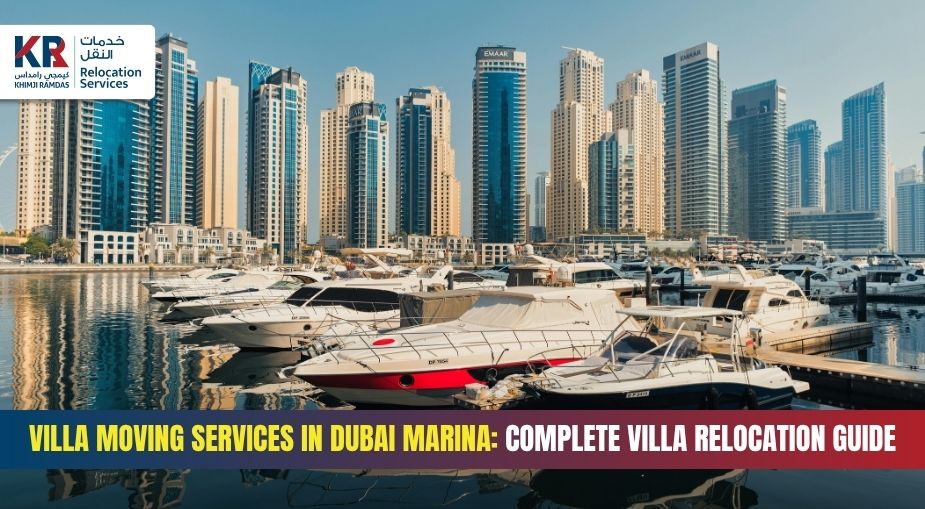
Villa Moving Services in Dubai Marina requires a more careful plan than a standard apartment move, particularsly when the property is a podium villa, townhouse-style residence, or a larger home connected to a high-rise development. Access restrictions, shared loading areas, lift protection, bulky furniture and building approvals can all affect how the move is carried out.
Dubai Marina is primarily known for apartments and towers, so a villa-focused moving plan should begin by confirming the property type and access arrangements. This guide explains how to assess a genuine villa or podium-home move, prepare the property, manage difficult items and choose practical support from villa movers in Dubai Marina.
Villa Moving Services in Dubai Marina: What Makes These Moves Different?
A villa relocation in Dubai Marina is not always a traditional standalone-villa move. Some homes may be podium villas, townhouse-style residences or larger properties within a mixed-use development. The move may combine private living space with the operational rules of a managed building or community.
That combination creates a different planning challenge. You may have more rooms and heavier furniture than a typical apartment, but still need to use a designated service entrance, shared loading bay, goods lift or timed access slot. The safest plan is therefore based on the actual property and not simply on the number of bedrooms.
Confirm the Property Type Before Requesting a Quote
When contacting residential movers in Dubai Marina, describe the home precisely. Clarify whether it is a standalone villa, a podium villa, a townhouse-style property or a multi-level home within a tower development. Also explain whether the destination has similar restrictions.
The property description should include the number of floors, internal stairs, terraces, storage areas, external access and parking conditions. A move from a large podium residence may require a different crew plan from a move between two standalone villas, even if both homes have a similar floor area.
This early information helps the moving team assess labour, packing materials, furniture protection, vehicle access and the handling sequence. It also reduces the risk of discovering on moving day that a large item cannot pass through a doorway, stairwell or lift.
Why Marina Access Needs Early Attention
Dubai Marina developments can have narrow internal roads, busy drop-off points, visitor controls and limited stopping areas. Access may also vary between the street entrance, basement parking, service entrance and loading zone. A vehicle that can reach the building may not be able to park directly beside the entrance.
Building management may have its own procedures for service lifts, move-in or move-out slots, protective coverings and contractor access. These requirements can vary by development and can change according to availability. They should be confirmed with the property management team rather than assumed.
Khimji Ramdas Relocation Services can help coordinate the practical moving plan once the property details and building requirements are known. Government, building management and third-party approvals remain outside the moving company’s control, so confirmation should be obtained from the relevant authority or property representative.
Tell us about your move and get a personalized quote based on your requirements. 
Planning a Villa Relocation Services Dubai Marina Move
The most reliable villa relocation services Dubai Marina plan begins several weeks before the intended move, even when the household is not especially large. Early planning gives you time to remove unwanted items, measure difficult furniture, confirm access and decide what should be packed professionally.
The aim is not merely to move everything from one address to another. It is to create a controlled sequence that protects the property, reduces waiting time and ensures that essential rooms become usable quickly after arrival.
Start With a Property and Inventory Assessment
A useful assessment covers more than the number of cartons. It should identify furniture that is unusually heavy, tall, fragile, valuable or difficult to dismantle. Include outdoor furniture, gym equipment, large mirrors, chandeliers, artwork, shelving, safes, appliances and items stored in garages or utility rooms.
Record the approximate dimensions of pieces that may create access problems. A wide sofa, king-size bed base or solid dining table may fit comfortably in the room but fail at a stair turn or lift entrance. Taking photographs and measurements before moving day is often more useful than relying on general descriptions.
The assessment should also identify items that will not be moved. Discarded furniture, garden waste, hazardous materials and restricted items should not be left for the crew to decide about on the day. Ask what can be handled and what must be arranged separately.
Divide Belongings Into Practical Categories
A villa move becomes easier when items are separated according to their destination and handling needs. You may create zones for everyday household goods, fragile items, storage contents, outdoor possessions and items requiring special attention.
This is particularly valuable in a multi-level home. Labelling cartons by room and floor helps the crew place them correctly at the destination, while a simple priority system identifies the boxes needed immediately, such as bedding, chargers, medicines, children’s essentials, basic kitchenware and work equipment.
Do not pack important documents, jewellery, cash, medication or irreplaceable personal items into general household cartons. Keep them with you where appropriate and clarify any exclusions or special handling requirements before the move.
Plan Around Your Actual Moving Date
The date may be influenced by tenancy handover, access availability, building rules, travel plans or the readiness of the destination. Keep some flexibility if possible, particularly where the move depends on a shared loading facility or a managed development.
If the property is being handed over on the same day that the old home must be vacated, the schedule becomes more sensitive. A delay at the first location can affect the entire sequence. In that situation, ask for a plan that clearly distinguishes packing, loading, transport, unloading and final placement rather than relying on one general time estimate.
Managing Access, Bulky Furniture and Property Protection
Access is often the decisive factor in a Dubai Marina villa move. The furniture may be straightforward to carry once it reaches the vehicle, but the route from room to loading point can involve stairs, corridors, basement ramps, security checkpoints, shared lifts and long carrying distances.
A professional assessment should consider the complete path at both properties. Focusing only on the front door can lead to avoidable surprises on moving day.
Create an Access Plan for Both Addresses
For each property, establish where the moving vehicle can stop, which entrance the crew should use, whether a service lift is available and how far items must travel between the home and vehicle. Note internal stairs, narrow landings, low ceilings, sharp turns and changes in floor level.
At a managed Marina development, ask the building representative about the following points:
• Whether a service or goods lift must be reserved and whether a move-out or move-in slot is required.
• Where the vehicle may wait, load or unload, including any height or access restrictions.
• Whether corridors, lift interiors and common areas require protective coverings or prior notification.
These are building-specific matters, so the final arrangement should be confirmed directly with property management. If the destination is in another emirate or country, its own access rules must be assessed separately.
Measure Before Moving Oversized Items
Large furniture should be assessed at the point where the difficulty is most likely to occur. Measure doorways, lift doors, stair widths, ceiling heights and turning spaces. Include packaging thickness if an item will be wrapped before it passes through the route.
Some pieces can be dismantled safely. Others may be structurally delicate, unusually heavy or difficult to reassemble. A sofa may need a different route from a wardrobe, while a glass tabletop may require a separate protection and carrying method.
If a piece cannot be moved through the planned route without undue risk, discuss alternatives before the moving date. Options may include dismantling, using another access route, changing the delivery sequence or deciding not to move the item. Specialist lifting or access arrangements should never be assumed without an assessment and confirmation.
Protect the Home, Not Just the Furniture
Damage can occur to walls, door frames, floors, lift interiors and shared corridors as furniture is carried through tight spaces. Protection should therefore cover the route as well as the individual items.
The type of protection required depends on the surfaces, weather, distance and building rules. Wet or sandy conditions can create additional concerns around entrances and flooring. Clear communication about existing marks or fragile finishes is also useful before work begins.
At Khimji Ramdas Relocation Services, the moving plan can be discussed around the property layout, furniture profile and access conditions. The precise protection, packing and handling arrangements should be agreed after the shipment and locations have been assessed.
Tell us about your move and get a personalized quote based on your requirements.
Choosing House Movers Dubai Marina for the Right Scope of Work
Not every moving company offers the same level of support. A low-cost transport-only option may suit a small, prepared move with easy access, but it may leave you responsible for packing, dismantling, protection and difficult items. A managed relocation can be more suitable when the home is large, access is restricted or the household needs to remain focused on handover and settling in.
The right choice depends on the complexity of the move, your available time, the value and fragility of your belongings and the consequences of delay or damage.
Compare Like With Like
When reviewing house movers Dubai Marina, ask each provider to explain what the proposed service includes. Important differences may include packing scope, materials, dismantling and reassembly, furniture protection, handling of fragile items, storage options and the number of locations involved.
A written quotation should be based on the actual inventory and access information as far as possible. If the assessment is based only on a broad description such as “four-bedroom villa”, the final scope may be less certain because villa layouts and furniture quantities vary considerably.
Also ask how changes are handled. Additional cartons, a delayed access slot, a second collection point or an item requiring special handling may affect the work. It is better to understand the process in advance than to negotiate it while the crew is waiting.
Decide What You Should Pack Yourself
Self-packing can reduce the amount of professional work, but it requires time, suitable materials and consistent labelling. It may be practical for clothing, books and low-risk household goods. Fragile collections, chandeliers, artwork, electronics and awkward possessions may benefit from experienced packing and protection.
A blended approach is often sensible. You can prepare personal items and non-fragile contents while asking the moving team to handle the higher-risk categories. Confirm the expected packing standard and any exclusions so that the division of responsibility is clear.
Consider Storage and Unfinished Destinations
A villa move may involve temporary storage when the new property is not ready, furniture must be reduced before handover or some belongings will be used later. Storage needs vary according to volume, duration, access and the type of goods involved.
Before choosing storage, ask how items will be inventoried, protected, accessed and released. Requirements for fine art, documents, electronics, vehicles or temperature-sensitive goods may differ from ordinary household contents. Do not assume that every storage facility is appropriate for every category of possession.
Khimji Ramdas Relocation Services supports relocation-related services where confirmed for the customer’s requirements. The appropriate combination of moving, packing and storage should be established from the inventory and destination circumstances rather than selected as a standard package.
Moving Day and Settling Into Your New Marina Home
A good moving day is usually the result of decisions made earlier. Once access, inventory, responsibilities and the handling sequence are clear, the day becomes easier to manage. Your role is to keep key information available, protect personal essentials and identify any decisions that require your approval.
The move should follow a controlled flow rather than becoming a rush to empty rooms. A clear sequence helps prevent misplaced cartons, blocked corridors and premature loading of items needed for the final stage.
Prepare the Household Before the Crew Arrives
Keep passports, tenancy documents, keys, medication, valuables, chargers, children’s necessities and important work items separate from the main shipment. If pets or children are present, arrange a safe area away from carrying routes where practical.
Make sure the team can access the rooms and that items not included in the move are clearly identified. Appliances should be prepared according to their individual requirements, and any unusual installation or disconnection should be discussed in advance rather than improvised.
A simple essentials bag can make the first evening much easier. Include basic toiletries, a change of clothes, bedding, towels, snacks, drinking water and the items needed to charge phones or access important information.
Use a Loading and Unloading Sequence
Heavy and stable items are commonly planned before lighter cartons, but the exact order should reflect the property, vehicle and destination. At the new home, cartons should be directed to their intended rooms rather than placed wherever there is temporary space.
Before the crew leaves, walk through the property and check that the main rooms are accessible, essential items have arrived and any agreed furniture placement has been addressed. Retain records of items requiring follow-up and report concerns through the agreed process promptly.
Do not make last-minute changes to the route or add unassessed items without discussing their effect. A new large piece may require different protection, labour or access arrangements.
Make the First Week More Manageable
Unpack in order of use, not simply by room size. Bedrooms, bathrooms, kitchen basics and work areas usually provide more immediate value than decorative storage. Keep cartons until you have checked contents and confirmed that no item requires attention.
If the move involves a podium home or townhouse-style residence within a managed development, continue following building procedures after delivery. Furniture placement, waste removal, deliveries and any later installation may be subject to separate property rules.
For families, settling-in support may also involve coordinating practical needs beyond transport. Discuss the scope early if you need assistance connected with the wider relocation process, as available support depends on the service requested and the circumstances.
Questions to Ask Before Booking Movers in Dubai Marina
The best decision is not always the provider offering the shortest estimate or the lowest initial price. It is the provider that understands the actual property, explains the scope clearly and identifies risks before they become moving-day problems.
Use the following questions to compare options and to give any moving company enough information to provide a realistic plan:
Does the Company Understand the Property Access?
Ask whether the assessment has considered service entrances, loading restrictions, lift dimensions, internal stairs, basement access and the route between the home and vehicle. If these details have not been discussed, the plan may still be incomplete.
Is the Inventory Detailed Enough?
A useful inventory should identify bulky, fragile, valuable and unusually heavy items. It should also include outdoor areas, storage rooms, garages, terraces and any second collection or delivery point.
Who Handles Building Coordination?
Clarify which party contacts building management, requests access slots and confirms any required protection or contractor procedures. The moving company can support coordination where agreed, but the building or relevant authority controls its own approvals and access decisions.
What Is Included and What Is Excluded?
Confirm packing, materials, dismantling, reassembly, furniture protection, appliance handling, storage, disposal and insurance or liability terms. Ask how changes, waiting time or additional work are treated. Terms can vary by provider and shipment, so read the written quotation carefully.
How Does the Plan Change If Access Is Delayed?
A delayed key handover, unavailable lift or occupied loading bay can affect the sequence. Ask what information is needed to reschedule or pause work and whether additional costs or operational limitations may apply.
Khimji Ramdas Relocation Services is a suitable point of discussion when you want to assess a villa, podium-home or townhouse-style relocation in relation to packing, moving, storage or broader relocation support. Share accurate property information at the enquiry stage so the proposed service reflects the real move rather than a generic Marina apartment assumption.
Discuss your moving requirements with our team and find the right support for your move. 
Wrapping Up
Villa Moving Services in Dubai Marina should be planned around the specific property, access route and furniture profile. Because Dubai Marina is predominantly apartment and high-rise focused, confirming that the move involves a genuine villa, podium villa or townhouse-style home is an important first step.
The practical priorities are early access checks, an honest inventory, measurements for bulky items, building coordination, clear packing responsibilities and a realistic plan for unloading and settling in. These details can make the difference between a controlled relocation and a day dominated by avoidable delays.
Khimji Ramdas Relocation Services can help you discuss the moving and relocation support relevant to your circumstances, subject to the confirmed service scope and property requirements. The next step is to provide both addresses, the property type, access details, approximate inventory and any items that need special handling so that your villa relocation plan can be assessed properly.


FAQs - Villa Moving Services in Dubai Marina
Are Villa Moving Services in Dubai Marina suitable for standalone villas only?
No. They may also suit podium villas, townhouse-style homes and larger residences within managed developments. Confirm the property type, access route and building rules before booking.
Why is moving a villa or podium home in Dubai Marina different from moving an apartment?
The home may contain more furniture and multiple levels, while access can still depend on shared lifts, loading bays, security controls and building time slots. Both factors need assessment.
How early should I plan villa movers in Dubai Marina?
Start as soon as the moving date and destination are reasonably known. Early planning allows time to assess bulky items, confirm building access, arrange packing and address storage or handover risks.
Will house movers in Dubai Marina dismantle and reassemble large furniture?
Some moving scopes can include dismantling and reassembly, but this must be confirmed in writing. Complex, fragile or built-in items may require separate assessment or specialist handling.
Do I need building approval for a podium-villa move in Dubai Marina?
Building procedures vary. Management may control service-lift bookings, loading areas, contractor access and protective requirements, so confirm the applicable process directly with the property representative.
Can residential movers in Dubai Marina provide packing and storage as well as transport?
Some relocation providers can coordinate packing, moving and storage, depending on the requested scope. Discuss the inventory, storage conditions, access needs and handling requirements before selecting the service.
How can Khimji Ramdas Relocation Services help with a Dubai Marina villa relocation?
Khimji Ramdas Relocation Services can discuss and coordinate relevant moving Company, packing, storage or relocation support where confirmed. The plan depends on the property, inventory, access and agreed service scope.
Explore Our Most Relevant Articles
With a dedicated single point of contact offering comprehensive, tailored solutions, streamlined processes, and a network of suppliers, we ensure a superior relocation experience. Our commitment to excellence ensures that every aspect of the relocation process is efficiently managed, delivering satisfaction to our clients.

Best Time to Move in Dubai: Know Best Weather, Costs & Tips
Discover the best time to move in Dubai by comparing weather, costs, demand, weekdays, weekends and building access for a smoother local move.

UAE Car Customs Clearance: Common Delays and How to Avoid Them
Car customs clearance in the UAE can face avoidable delays. Learn which documents cause holds and how to prepare your vehicle shipment before arrival.

Pet Import Permits for the UAE: Step-by-Step Guide (2026)
Learn how to arrange a UAE pet import permit in 2026, including microchips, vaccinations, documents, application steps, timing and common mistakes.