Villa Moving Services in Reem Island: Villa Relocation Guide
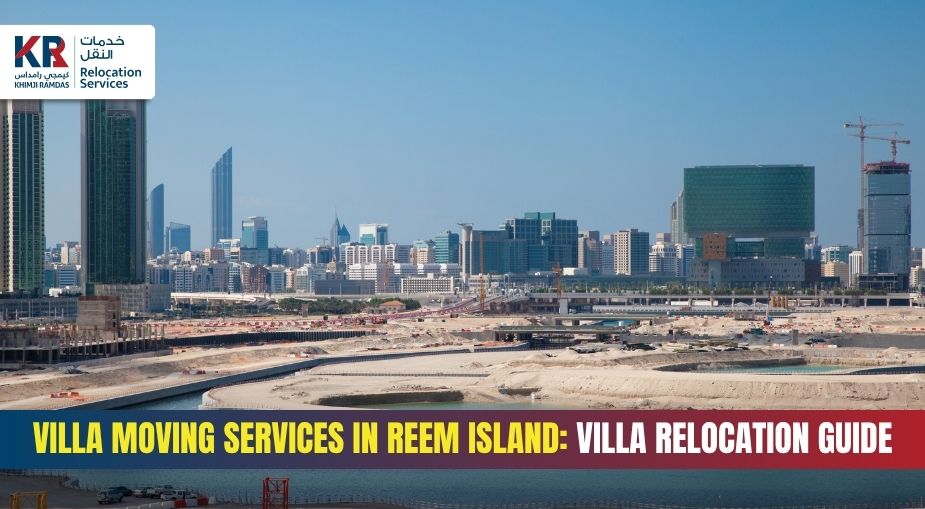
Villa Moving Services in Reem Island require a different plan from a standard apartment move because the property may involve private entrances, stairs, terraces, shared podium access, parking controls, and building-management procedures. If you are moving from or to a genuine villa, townhouse, duplex, or podium-level home in Reem Island, the success of the move depends on checking the property type and access conditions before packing begins.
Reem Island is predominantly known for high-rise residential towers and apartment living, so a careful mover should not assume that every address is a villa destination. This guide explains how to assess whether your home fits a villa-move plan, how to prepare household goods, what to confirm with property management, and when Khimji Ramdas Relocation Services can help coordinate a more controlled residential move.
Villa Moving Services in Reem Island: Is Your Home Suitable?
The first step is to define the move accurately. A large apartment with lift access is not automatically a villa move, while a townhouse, duplex, podium home, or property with a private entrance may have many of the same logistical challenges as a villa. Describing the property correctly helps the moving team plan labour, equipment, protection materials, vehicle access, and the sequence of loading.
Confirm the Property Type Before Requesting a Quote
Before contacting a moving company, record whether the home is a detached villa, attached townhouse, duplex, maisonette-style residence, or podium-level home. Also note whether the property has more than one internal floor, a private garden or terrace, a garage, a service entrance, or shared access through a residential building.
This distinction matters because the volume of belongings is only one part of the job. Two homes with the same number of bedrooms can require very different plans. A single-level home with direct vehicle access may be straightforward, whereas a duplex with narrow stairs, a long corridor, and restricted loading hours may require additional handling and protection.
Why Reem Island Access Needs Early Attention
In a tower-oriented community, access may be governed by building management, security staff, loading-bay rules, parking arrangements, lift availability, and resident traffic. Even a home that feels like a villa inside may still sit within a managed development with shared roads, podium areas, or common entrances.
Ask the building or community management team about the practical conditions rather than relying on assumptions. Important points include where the moving vehicle may stop, whether a service entrance is available, whether a lift must be reserved, how long loading can take place, and whether protective coverings are required in common areas.
The moving company should also understand the destination layout. A map pin is not enough if the final approach includes a security gate, basement ramp, low-clearance section, internal road, or a distance between the vehicle and the front door. Sharing photographs or a short video of both properties can reveal issues that are easy to miss during a telephone discussion.

Tell us about your move and get a personalized quote based on your requirements.
When a Villa-Move Plan Is the Right Choice
A villa-style moving plan is particularly useful when the residence includes several floors, bulky outdoor items, large quantities of furniture, delicate fixtures, storage rooms, children’s equipment, or a separate service area. It is also useful when the move involves two addresses, a phased handover, or temporary storage between homes.
Khimji Ramdas Relocation Services can help assess the practical requirements of a residential move and coordinate the work around the home’s layout and access conditions. The aim is not to label every Reem Island move as a villa move, but to use the right plan for the property you actually occupy.
Planning Your Villa Relocation Services in Reem Island
Good planning starts before the first carton is sealed. A villa, townhouse, duplex, or podium home often contains more categories of belongings than a typical apartment: outdoor furniture, tools, artwork, oversized mirrors, additional appliances, children’s items, exercise equipment, and possessions stored away from the main living areas. A room-by-room plan reduces last-minute decisions and makes it easier to identify items that need special handling.
Build a Property-Based Inventory
Create the inventory by area rather than by a general list of household goods. Include bedrooms, reception rooms, dining areas, kitchens, balconies, terraces, gardens, utility rooms, garages, store rooms, roof areas where applicable, and any external cabinets. Note unusual dimensions for wardrobes, sofas, beds, refrigerators, safes, gym equipment, outdoor seating, and garden features.
Photographs are especially helpful for large or fragile items. They show the item’s condition before the move and help the coordinator understand whether dismantling, extra protection, or a different carrying route may be required. Photograph connections and arrangements for electronics or complex furniture if you expect them to be reassembled.
Do not leave the inventory until moving day. Items discovered in a store room or outdoor area can affect the number of cartons, the loading sequence, and the available space in the vehicle.
Decide What Is Moving, Staying, or Being Stored
A move is easier when three decisions are made early: what will travel to the new home, what will remain at the current property, and what may need temporary or longer-term storage. This is particularly important when the new property is smaller or has different outdoor space.
Separate items that require a decision from items that are ready to pack. For example, a large dining set may fit comfortably in the current villa but not through the new townhouse entrance. A garden sofa may be suitable for a terrace but not for a podium home. Resolving these questions before packing prevents unnecessary handling.
Storage can be useful when the property handover dates do not match, when renovation work is unfinished, or when a family wants to move in stages. Storage requirements, access arrangements, insurance terms, and handling conditions should be confirmed for the individual shipment and service selected.
Plan Around the Household
Families often focus on furniture and overlook the disruption caused by packing daily essentials. Keep documents, medicines, chargers, valuables, school materials, work equipment, basic clothing, and a small set of kitchen items separate from the main shipment. Clearly identify these items so they are not loaded accidentally.
If children or pets are involved, plan a quiet and secure area away from active loading. Doors may remain open, cartons may be stacked temporarily, and unfamiliar people may move through the property. A separate arrangement for the first night can make the transition less stressful.
At Khimji Ramdas Relocation Services, our coordinators can discuss the move as a complete household operation rather than treating it as furniture transport alone. That distinction is valuable when the property includes multiple floors, special items, storage needs, or a tight handover schedule.
What Makes a Reem Island Villa Move Different?
The main challenge is usually not the distance between the two addresses. It is the interaction between the property layout, building rules, vehicle access, and the condition of the belongings. A well-organised move manages these variables in the correct order.
Access, Parking, and Shared Areas
For homes within managed developments, loading may depend on an agreed time window or a designated location. The vehicle may not be able to stop directly outside the entrance. If there is a walking distance from the loading point, the team may need to plan additional carrying and protect belongings during the transfer.
Common areas deserve the same care as the home itself. Lift walls, corridor corners, flooring, entrance doors, stair rails, and shared gates may be vulnerable to marks during a large move. Confirm whether the property management team requires floor protection, lift padding, or a security booking. Responsibility for approvals rests with the relevant property or building authority, so arrangements should be checked rather than assumed.
Stairs, Narrow Turns, and Large Furniture
A villa-style property can hide difficult carrying routes. A sofa may fit through the main door but fail at an internal turn. A wardrobe may need to be dismantled before it can pass through a staircase. A piano, safe, large glass panel, or oversized artwork may require a separate assessment.
Measure tight points where possible: doorways, stair widths, ceiling heights, lift interiors, corridor turns, and the clearance around gates. Also check whether doors or balcony access provide an alternative route. Never force an item through an opening; rushed handling can damage both the item and the property.
A professional assessment should consider the item’s dimensions, weight, construction, fragility, and carrying path. Dismantling is not suitable for every item, and reassembly should be approached carefully, particularly where original fittings or specialist knowledge are required.
Tell us about your move and get a personalized quote based on your requirements.
Outdoor and Utility Items
Outdoor furniture, barbecues, planters, tools, bicycles, play equipment, and storage cabinets often need more attention than indoor furniture. Clean and dry items before packing where appropriate, remove loose parts, and identify pieces that may require dismantling. Plants and other living items may be subject to destination rules or service limitations, so confirm suitability before including them in the shipment.
Utility spaces can also contain hazardous or unsuitable materials such as fuel, gas cylinders, chemicals, paints, or pressurised containers. These should not be packed without confirming whether they are acceptable for transport. Dispose of or handle them through appropriate channels rather than placing them in household cartons.
Protecting High-Value and Delicate Belongings
Fine art, antiques, sculptures, mirrors, glass, musical instruments, sensitive electronics, and valuable personal effects should be identified during the survey. Their packing method may differ from ordinary household goods, and their placement in the vehicle may affect the loading sequence.
Make a condition record for items that matter most to you. Note existing marks, take clear photographs, and keep relevant ownership or valuation records where available. This creates a sensible reference point and encourages careful discussion about protection and handling.
Khimji Ramdas Relocation Services supports residential moving requirements, including situations where household goods need additional planning or storage coordination. The exact approach should be agreed after reviewing the property, access, inventory, and service scope rather than promised in advance without an assessment.
How to Choose Villa Movers in Reem Island
Choosing among residential movers in Reem Island should involve more than comparing a headline price. The right provider should be able to understand the property, explain assumptions, identify risks, and give you a clear basis for comparing proposals. A low initial figure may change if stairs, additional items, waiting time, storage, packing, or restricted access were not considered.
Questions to Ask Before Booking
Ask how the company will assess the property and whether the quotation is based on a survey, detailed inventory, photographs, or a general estimate. Confirm what is included in packing, wrapping, dismantling, reassembly, loading, delivery, unpacking, debris removal, storage, and any additional handling.
You should also ask how the team will deal with fragile goods, artwork, outdoor items, large furniture, and belongings that cannot be moved through the planned route. If the property is within a managed development, clarify who is expected to coordinate access information with management and what remains your responsibility.
A responsible provider should be comfortable explaining exclusions and variables. Requirements may change if the inventory changes, if access is restricted, or if a building authority imposes conditions. Written clarity is more useful than a broad promise that everything will be handled.
Compare the Plan, Not Just the Price
When comparing quotations, place the proposals side by side. Look for differences in the following areas:
- Whether packing materials and packing labour are included or optional.
- Whether difficult access, stairs, long carries, dismantling, and fragile items have been considered.
- Whether storage, insurance or liability arrangements, waiting time, and additional services are explained.
The cheapest option may be appropriate for a simple, self-packed move with direct access. A more managed service may be better when the home has several levels, valuable belongings, limited time, or a complex handover. The decision should reflect the consequences of damage, delay, disruption, and repeated handling—not only the starting price.

Discuss your moving requirements with our team and find the right support for your move.
Coordinate the Move With Property Handover
Moving day should be aligned with access to the new home, completion of the current property’s handover requirements, and any cleaning or renovation work. If the destination is not ready, the shipment may require a different plan. Confirm who can authorise entry, where the vehicle can wait, and how keys or access cards will be transferred.
Keep an agreed contact list for the client, moving coordinator, property manager, security contact, and any relevant landlord or agent. Share changes promptly. A revised handover time or a blocked loading area can affect the entire sequence, so early communication is more effective than trying to solve the issue when the vehicle is already at the property.
When Professional Coordination Adds Value
Professional support is most useful when several parts of the move interact: packing must finish before a handover, a townhouse has narrow stairs, storage is needed between addresses, or a family is moving valuable and ordinary items together. The coordinator’s role is to convert those details into an operational plan and identify what must be confirmed by you or by property management.
Khimji Ramdas Relocation Services can be considered when you want support with residential moving, packing coordination, household goods handling, or storage-related planning. Discuss the property type honestly. Calling a home a villa, townhouse, duplex, or podium residence when that is accurate helps the team prepare for the actual work rather than an assumed apartment move.
The UAE moving services market is expected to grow from USD 163 million in 2025 to around USD 321 million by 2032, representing a 10.17% CAGR. Growth is being driven by expatriate inflows, residential development, business activity, and rising demand for professional moving services.
Wrapping Up
Villa Moving Services in Reem Island are appropriate when the move involves a genuine villa, townhouse, duplex, or podium-style home with property-specific access and handling challenges. Because Reem Island is predominantly tower and apartment oriented, the first decision is to confirm the property type and understand whether shared building procedures still apply.
From there, focus on an accurate inventory, early access checks, careful treatment of stairs and common areas, separate planning for outdoor and fragile items, and a written comparison of what each mover will provide. These steps reduce surprises and make the moving day easier to control.
Khimji Ramdas Relocation Services can support a planned residential move by helping assess the household requirements, coordinate practical moving activities, and discuss packing or storage needs where relevant. The most useful next step is to provide the property type, floor plan or photographs, access details, inventory size, and preferred moving window so the plan reflects your actual Reem Island home.


FAQs - Villa Moving Services in Reem Island
Are Villa Moving Services in Reem Island suitable for apartment buildings?
They are suitable for genuine villas, townhouses, duplexes and podium homes. Standard tower apartments may need an apartment-move plan based on lift access, loading rules and the building layout.
What should I confirm before booking villa movers in Reem Island?
Confirm the property type, floors, stairs, parking, loading point, lift or gate access, management rules, inventory size and any oversized or fragile items. Photos can help the mover assess the route.
Do residential movers in Reem Island handle outdoor furniture and garden items?
Outdoor furniture and suitable household items can often be included, but planters, plants, chemicals, fuel, gas cylinders and other restricted goods require separate confirmation because handling rules may vary.
How can I prepare a townhouse or duplex for moving day?
Create a room-by-room inventory, measure tight routes, separate essentials, identify items needing dismantling, and confirm loading arrangements with property management. Keep children and pets away from active work areas.
Is storage available with villa relocation services in Reem Island?
Storage may be useful when handover dates do not match or the new home is not ready. Availability, access, protection, charges and terms should be confirmed for the specific shipment and service.
How much do house movers in Reem Island charge?
Pricing varies with volume, packing, floors, stairs, distance, access, fragile items, dismantling, storage and timing. A detailed survey or inventory usually provides a more reliable basis than a broad estimate.
Can Khimji Ramdas Relocation Services help coordinate a Reem Island villa move?
Khimji Ramdas Relocation Services can discuss residential moving requirements, household-goods handling, packing coordination and storage needs where relevant. Property access and third-party approvals must still be confirmed for each move.
Explore Our Most Relevant Articles
With a dedicated single point of contact offering comprehensive, tailored solutions, streamlined processes, and a network of suppliers, we ensure a superior relocation experience. Our commitment to excellence ensures that every aspect of the relocation process is efficiently managed, delivering satisfaction to our clients.

Best Time to Move in Dubai: Know Best Weather, Costs & Tips
Discover the best time to move in Dubai by comparing weather, costs, demand, weekdays, weekends and building access for a smoother local move.

UAE Car Customs Clearance: Common Delays and How to Avoid Them
Car customs clearance in the UAE can face avoidable delays. Learn which documents cause holds and how to prepare your vehicle shipment before arrival.

Pet Import Permits for the UAE: Step-by-Step Guide (2026)
Learn how to arrange a UAE pet import permit in 2026, including microchips, vaccinations, documents, application steps, timing and common mistakes.