Shipping and Logistics Services for Safe Household Relocation
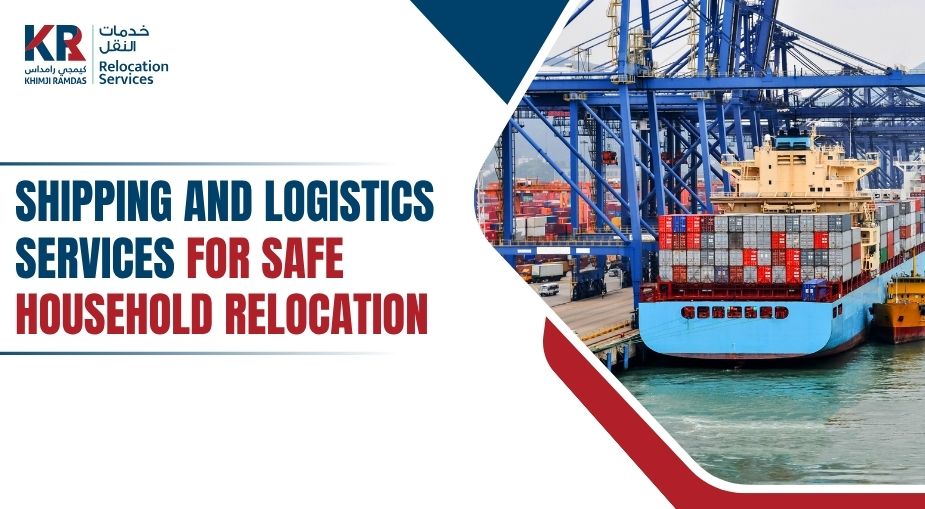
Safe household shipping is not just about getting boxes from one address to another; it is about protecting your belongings from the moment they are packed until they are delivered and unpacked.
For families planning a move in or out of the UAE, the biggest concerns are usually the same: will fragile items survive, will furniture arrive in good condition, and will customs or transit delays create extra stress?
A clear shipping and logistics plan becomes easier when timing, budget, and access are clear.
That is why this guide focuses on the practical side of shipping and logistics for household relocation. You will learn what safety really means in packing, container choice, customs handling, and transit planning, plus how sea, air, and land routes affect timing and risk.
We will also explain what to ask before you choose household movers, so you can make a confident decision for your move.
What Safe Household Shipping Really Means
Safe household shipping is not a vague promise. In practice, it means the move has been planned to reduce damage, delay, loss, and avoidable stress at every stage.
That starts with proper packing, continues through transport planning, and ends with careful delivery handling. When any one of those steps is rushed, the risk rises quickly. A practical plan for shipping and logistics helps prevent small issues from becoming delays.
For household relocations, safety also means matching the method to the goods. A move with artwork, glassware, wardrobes, appliances, and mixed family items needs a different approach from a simple carton-only shipment.
Good shipping and logistics planning should protect both the physical condition of the items and the timing of the move.
Packing Standards That Protect Belongings
Packing is the first layer of protection, and it is often where the biggest difference is made. We usually see damage happen when items are packed too loosely, overloaded, or placed in the wrong type of carton or crate.
Good household packers movers use sturdy cartons, proper cushioning, clear labelling, and a room-by-room packing structure. Good preparation around shipping and logistics keeps the decision tied to real moving needs.
Fragile items should be wrapped individually, furniture should be protected at edges and contact points, and heavier items should be packed lower to reduce pressure damage. Appliances need particular care because they can be affected by movement, moisture, and poor loading.
The goal is not just to fit everything into boxes, but to keep items stable throughout the journey. The practical side of shipping and logistics works best when you check details early.
Container Types and Why They Matter
Container choice affects both safety and efficiency. Some household shipping moves are suitable for shared or consolidated transport, while others need dedicated space because of volume, urgency, or item sensitivity.
The right choice depends on how much you are moving, how quickly it needs to arrive, and how carefully it must be handled.
For larger family shipments, a dedicated container can reduce handling points, which often lowers the chance of damage. For smaller shipments, consolidation may be practical, but it can also mean more coordination because your goods travel alongside other cargo.
The right decision should be based on risk, not just price. A structured approach to shipping and logistics reduces pressure before moving day.
Customs Handling as Part of Safety
Many people think of customs as an administrative step, but it is also part of safe shipping and logistics. If documentation is incomplete or details are unclear, shipments can be delayed, inspected, or held, which creates extra exposure for the goods and more stress for the family.
Customs requirements vary by country, shipment type, and destination rules. That is why household shipping needs careful preparation before departure, including document checks, item descriptions, and any required declarations.
A relocation team such as Khimji Ramdas Relocation Services can help coordinate this process so that the shipment is prepared correctly and has a smoother path through the formalities involved. Clear coordination around shipping and logistics helps everyone understand the next step.

Tell us about your move and get a personalized quote based on your requirements.
How Shipping and Logistics Work in a Household Move
A household relocation works best when shipping and logistics are treated as one connected plan, not separate tasks.
Packing, collection, transport booking, storage if needed, customs coordination, and final delivery all need to line up. If one step is out of sequence, the move can become more expensive or more complicated than necessary.
This is where experienced household movers add real value. They do not just move items; they sequence the work so that people, goods, transport schedules, and destination requirements all fit together.
That becomes especially important for families moving across borders, where timings can be affected by sailing schedules, flight availability, and clearance procedures. Early planning for shipping and logistics makes the process easier to control.
Read also: FCL vs LCL Shipping: Which Is Right for Your Move?
The Usual Flow from Home to Destination
A well-managed household move usually follows a simple operational flow. First comes a survey or move assessment, then packing, loading, transport, customs handling where relevant, and delivery at the destination. Depending on the route, storage or staging may also be part of the plan.
The value of this sequence is that it reduces surprises. For example, if furniture must be dismantled before loading, that should be planned early.
If a family needs temporary storage before a new home is ready, the transport plan should reflect that from the beginning rather than as a last-minute fix. Thinking through shipping and logistics in advance can protect your timeline and budget.
Why Coordination Matters More Than People Expect
Professional household shipping often looks straightforward until small details start adding up. A delayed handover, missing document, unsuitable carton, or poorly measured sofa can create knock-on problems. Good logistics keeps those issues from turning into bigger delays.
We often advise families to think about the move as a chain. If one link fails, the rest of the process feels it.
Reliable coordination helps reduce repeated handling, protects the condition of belongings, and makes it easier to track what is happening next. A realistic plan for shipping and logistics gives you fewer surprises later.
Which Transit Option Is Best for Your Household Goods?
The best transit option depends on the balance between cost, speed, volume, and sensitivity of your belongings.
Sea, air, and land transport each serve a different purpose, and none is automatically the best choice for every household move. The right answer depends on what you are shipping and how soon you need it.
If you choose the wrong route for the wrong reason, you may pay more than necessary or accept a slower timeline than your family can comfortably manage.
The practical question is not just which option is fastest, but which option fits the move you are actually making. The safest way to manage shipping and logistics is to confirm the details before you commit.
Sea Freight for Larger Household Shipments
Sea freight is often the most practical option for full household relocations, especially when furniture and mixed personal effects are involved. It is generally suited to larger volumes and offers flexibility for non-urgent moves. The trade-off is time, since ocean transit and port handling usually take longer than other options.
For families relocating with many cartons and bulky furniture, sea transport can be a sensible choice because it handles volume well.
It also works well when a move is planned in advance and the timeline allows for customs and port procedures at both ends. The goal with shipping and logistics is to keep every step practical and predictable.
Air Freight for Urgent or Smaller Shipments
Air freight is usually chosen when speed matters more than cost. It can be useful for essential household items, high-value personal effects, or a limited number of cartons that need to arrive quickly.
However, the cost and shipment limits make it less suitable for a full home move in most cases.
When we see families use air freight well, it is usually for a partial shipment. For example, they may send immediate essentials by air and move the rest by sea.
This can reduce pressure on arrival while still keeping the larger shipment economical. A simple checklist for shipping and logistics can make the whole move feel more organised.
Land Transport for Regional Moves
Land transport is often the most practical option for regional relocations where borders, route access, and road conditions support it. For moves within the GCC or nearby destinations, it can be efficient and flexible, especially for household goods that need direct overland movement.
The important point is that land transport still needs the same discipline as any other route. Loading quality, route planning, border procedures, and destination access all affect how smoothly the shipment arrives.
It is not simply a shorter version of sea freight; it is a different operating method with its own requirements. Better planning around shipping and logistics also makes costs and responsibilities easier to compare.

Discuss your moving requirements with our team and find the right support for your move.
What Affects Household Shipping Timelines?
Timeline planning is one of the most common pressure points in household relocation. Families often assume the transit time is the only thing that matters, but the real schedule includes packing, pickup, documentation, customs clearance, transport availability, and final delivery. Any of these can add time.
That is why accurate planning matters more than rough estimates. A move that looks simple on paper may still take longer if the shipment includes special items, destination checks, or delayed access at the receiving property.
The more carefully the process is planned, the fewer surprises there are. The more specific you are about shipping and logistics, the easier it is to avoid confusion.
Shipment Size and Item Type
A larger shipment usually needs more packing time, more loading coordination, and more careful handling. Heavy furniture, fragile pieces, and mixed household items can all extend preparation time because they cannot be treated as a standard carton move.
Special items may also require more detailed packing or documentation. If the household includes antiques, artwork, or electronics that need extra protection, the schedule should reflect that from the start.
Route, Mode, and Seasonality
The route and mode of transport directly affect timing. Sea freight depends on vessel schedules and port handling. Air freight depends on airline space and flight availability.
Land transport depends on road access, border movement, and destination clearances where applicable. For families and professionals, planning around shipping and logistics early can make decisions simpler.
Seasonal congestion can also matter. During busy relocation periods, capacity may tighten and processing can slow. That does not mean a move cannot be completed on time, but it does mean the plan should be built early and reviewed realistically.
Customs and Clearance Variables
Customs is one of the least predictable parts of any international household move. Requirements vary by country and shipment type, and clearance time can be affected by the accuracy of documents, the contents of the shipment, and inspection needs.
The right checks around shipping and logistics can turn a stressful move into a clearer process.
Families who leave customs preparation until the last minute often face avoidable delays. A better approach is to prepare documents early, confirm item descriptions, and make sure the shipment information matches the packing list.
Khimji Ramdas Relocation Services can support that coordination so the move is prepared with fewer weak points.
How to Choose Household Movers You Can Trust
Choosing household movers is not only about who can carry boxes. The right partner should understand packing standards, transport options, customs coordination, destination handling, and communication.
That combination is what turns a move from a series of tasks into a managed relocation. A clear shipping and logistics plan becomes easier when timing, budget, and access are clear.
When you are comparing providers, it helps to look beyond surface-level promises. Ask how they protect furniture, how they manage fragile goods, and how they keep you informed if a shipment is delayed or needs a document correction. Clear answers usually tell you more than broad marketing claims.
Questions Worth Asking Before You Book
A serious household shipping provider should be able to explain the process clearly. You do not need technical jargon; you need practical answers that show they understand the move from end to end. A practical plan for shipping and logistics helps prevent small issues from becoming delays.
- How will my household items be packed and labelled?
- What transport options are suitable for my shipment size and timeline?
- How are customs documents prepared and checked?
- Will furniture be dismantled and reassembled if needed?
- What happens if my destination property is not ready on arrival?
These questions help you compare capability, not just price. A provider that can answer them well is more likely to manage the move in a controlled and professional way.
Signs of a Better-Managed Move
In our experience, well-managed relocations share a few common traits. The plan is clear, the packing standard is consistent, and the customer understands what happens next.
There is also room for practical adjustments, such as temporary storage or phased delivery, if the destination changes. Good preparation around shipping and logistics keeps the decision tied to real moving needs.
Khimji Ramdas Relocation Services supports household relocations with that kind of practical coordination. The focus should always be on safeguarding the goods, reducing friction, and keeping the family informed so decisions can be made confidently.
Our moving experts are here to assist you.
How to Prepare Your Household Goods for a Safer Move
Preparation makes a major difference to both safety and efficiency. Even the best transport plan can be undermined if the shipment is packed poorly or if the household is not organised before collection day.
A little preparation reduces handling time and helps the movers work more accurately. The practical side of shipping and logistics works best when you check details early.
This is also where families can reduce stress for themselves. If you sort the shipment into essentials, non-essentials, fragile items, and high-value belongings early, the packing team can work faster and with fewer mistakes.
Separate What Must Travel Immediately
Before packing begins, decide what needs to arrive with you, what can travel later, and what should stay behind. This is especially useful for families with young children, work equipment, or seasonal furniture.
A staged approach can save time and reduce pressure. For example, essential household items may go by air or be carried separately, while the rest of the move travels by sea or land.
That gives you practical flexibility at destination. A structured approach to shipping and logistics reduces pressure before moving day.
Protect the Items That Matter Most
Certain items need more than standard boxing. Glass tables, mirrors, electronics, ceramics, and delicate décor all deserve specific protection. Furniture should also be checked for loose parts, removable shelves, and sensitive surfaces that can scratch in transit.
The safest moves are usually the ones where nothing is left to chance. If an item matters to you, assume it needs extra protection.
That mindset helps prevent most of the avoidable damage we see in rushed household relocations. Clear coordination around shipping and logistics helps everyone understand the next step.
Keep Documents and Inventory in Order
A clear inventory helps both packing and customs handling. It should reflect what is being shipped and make it easier to confirm quantities at destination. Good documentation also makes claims, tracking, and handover easier if anything needs to be checked later.
For international household shipping, this is not just an administrative habit. It is part of making sure the shipment can be identified, processed, and received without confusion.
Wrapping Up
Shipping and Logistics for household relocation work best when safety is built into the process from the start. That means proper packing standards, the right container or transport choice, careful customs handling, and realistic timeline planning.
When those pieces are aligned, the move is less stressful and your belongings are better protected. Early planning for shipping and logistics makes the process easier to control.
If you are comparing household movers, focus on the quality of their coordination, not just the headline service they promise. Khimji Ramdas Relocation Services can support families with practical household shipping, packing, transport planning, and destination coordination where required, helping you move with more control and fewer surprises.


FAQs About Shipping and Logistics for Household Relocation
What Documents Are Usually Needed for Shipping Household Goods?
Most household moves need an inventory, identification documents, and shipment details that match the packing list. Requirements vary by country and shipment type, so it is best to confirm early. Thinking through shipping and logistics in advance can protect your timeline and budget.
How Do I Know If My Household Shipping Is Safe?
Safe shipping usually means proper packing, suitable transport choice, clear labelling, and correct customs handling. If those areas are managed well, the risk of damage and delay is much lower.
Should I Use Sea Freight, Air Freight, or Land Transport for My Move?
Sea freight suits larger moves, air freight suits urgent smaller shipments, and land transport is often best for regional routes. The right choice depends on budget, volume, and timing. A realistic plan for shipping and logistics gives you fewer surprises later.
How Long Does Shipping Household Goods Usually Take?
Timelines vary based on route, transport mode, shipment size, and customs clearance. The transport leg is only one part of the schedule, so packing and documentation time should also be planned.
Can Household Movers Pack and Move Furniture Safely?
Yes, if they use the right materials, protect edges and surfaces, and handle dismantling and loading carefully. Furniture safety depends heavily on packing quality and how often the item is handled.
Is Insurance Necessary for Household Shipping?
Insurance is strongly worth considering because it helps protect against loss or damage during transit. Coverage terms vary, so check what is included, what is excluded, and how claims are handled. The safest way to manage shipping and logistics is to confirm the details before you commit.
How Can Khimji Ramdas Relocation Services Help with Household Relocation?
Khimji Ramdas Relocation Services can coordinate packing, household shipping, transport planning, and destination support where needed. That helps keep the move organised and reduces avoidable delays.
Explore Our Most Relevant Articles
With a dedicated single point of contact offering comprehensive, tailored solutions, streamlined processes, and a network of suppliers, we ensure a superior relocation experience. Our commitment to excellence ensures that every aspect of the relocation process is efficiently managed, delivering satisfaction to our clients.
Pet Passport Requirements for Moving from Dubai to the UK
Understand pet passport requirements for moving from Dubai to the UK, including microchipping, vaccinations, health certificates, carriers and arrival planning.

Office Moving Costs in Dubai: The Budget Beyond the Mover’s Quote
Understand office moving costs in Dubai, including furniture, packing, IT relocation, access, storage and insurance, before requesting a tailored quote.

Freight Forwarder vs Relocation Company: Key Differences
Compare a freight forwarder and a relocation company for international moves, including packing, customs, delivery, coordination and household moving support.